A large-scale public transportation hub in Nairobi, Kenya, integrates bus stations, taxi terminals, and passenger waiting areas, serving thousands of passengers daily. The hub is located in a newly developed urban area where the public power grid is not yet fully covered, relying on temporary diesel generators for power supply. High noise, high fuel costs, and unstable power supply affect passenger experience and the normal operation of lighting, air conditioning, and passenger information systems. The municipal transportation department needs a clean, stable, and low-noise off-grid power supply solution to improve the hub’s operation efficiency and passenger experience.
Location/Time: Nairobi, Kenya, April 2025
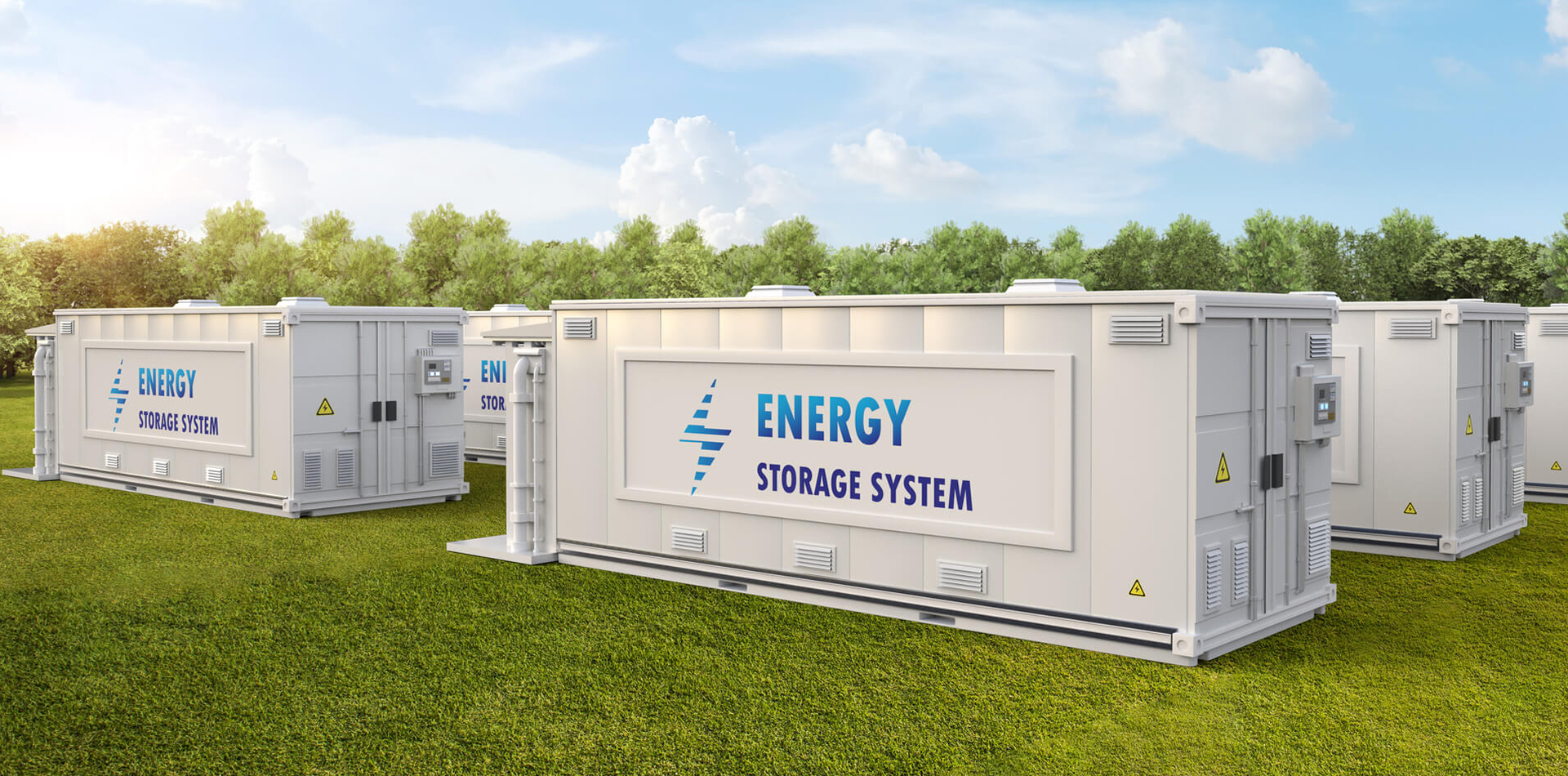
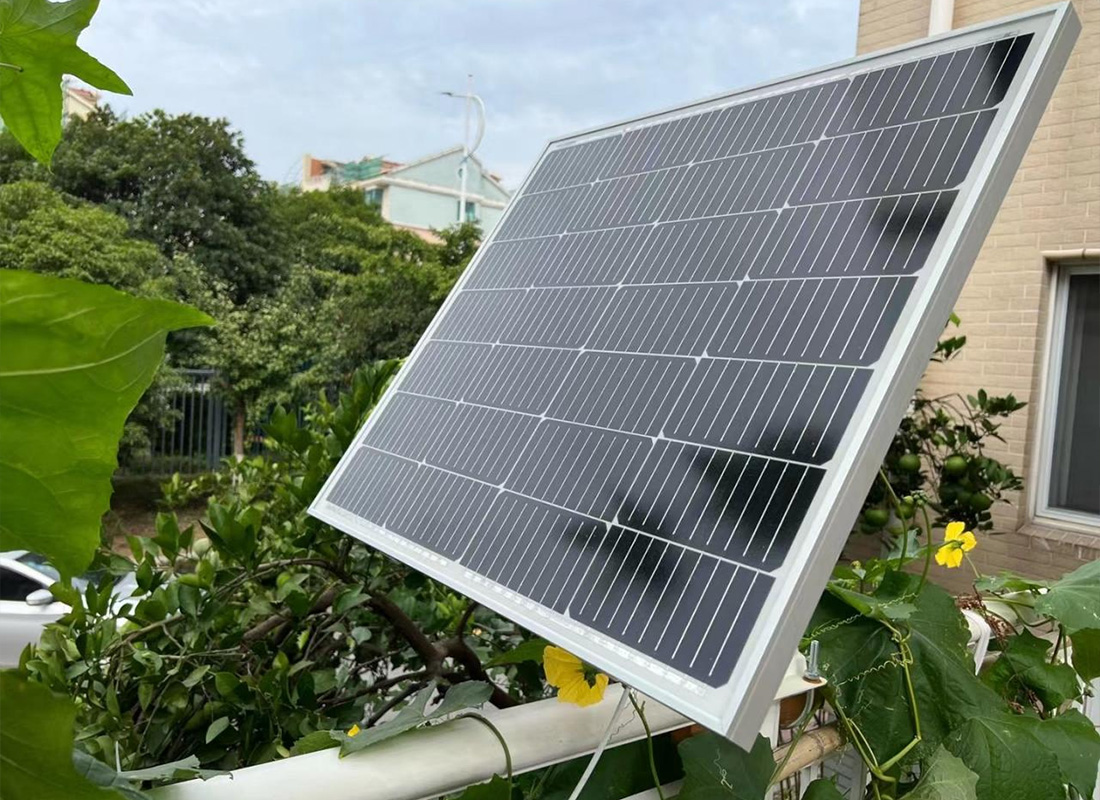
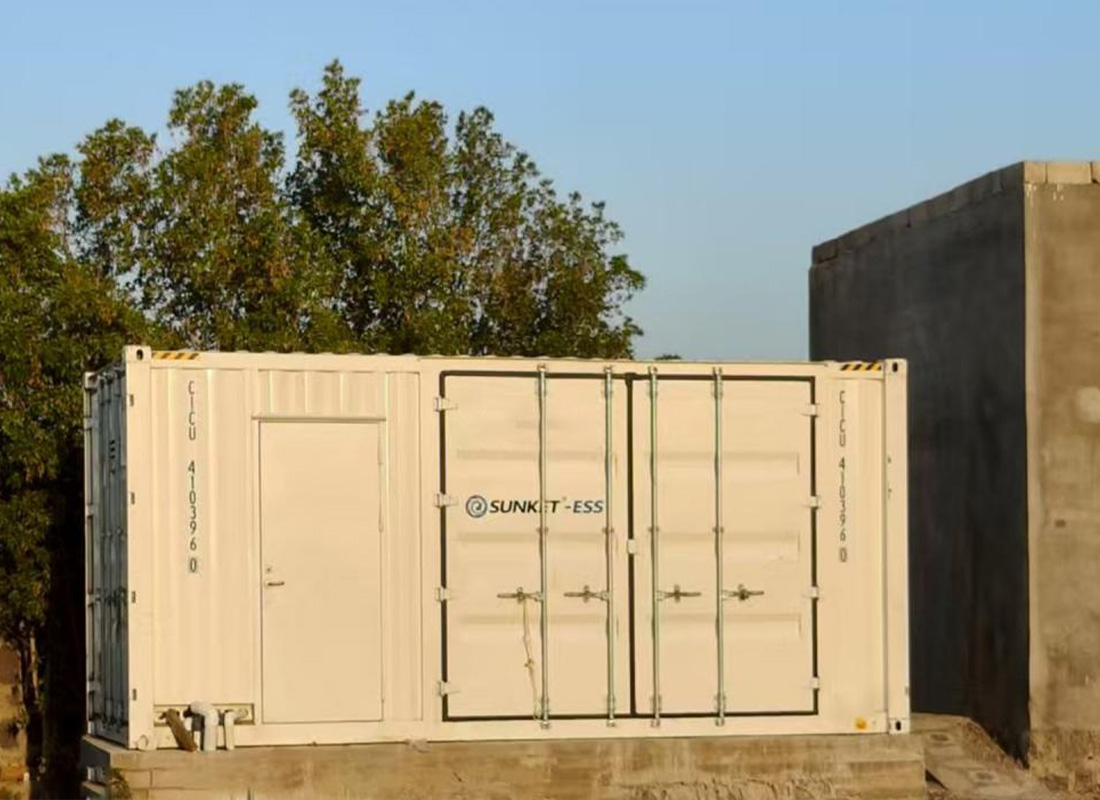
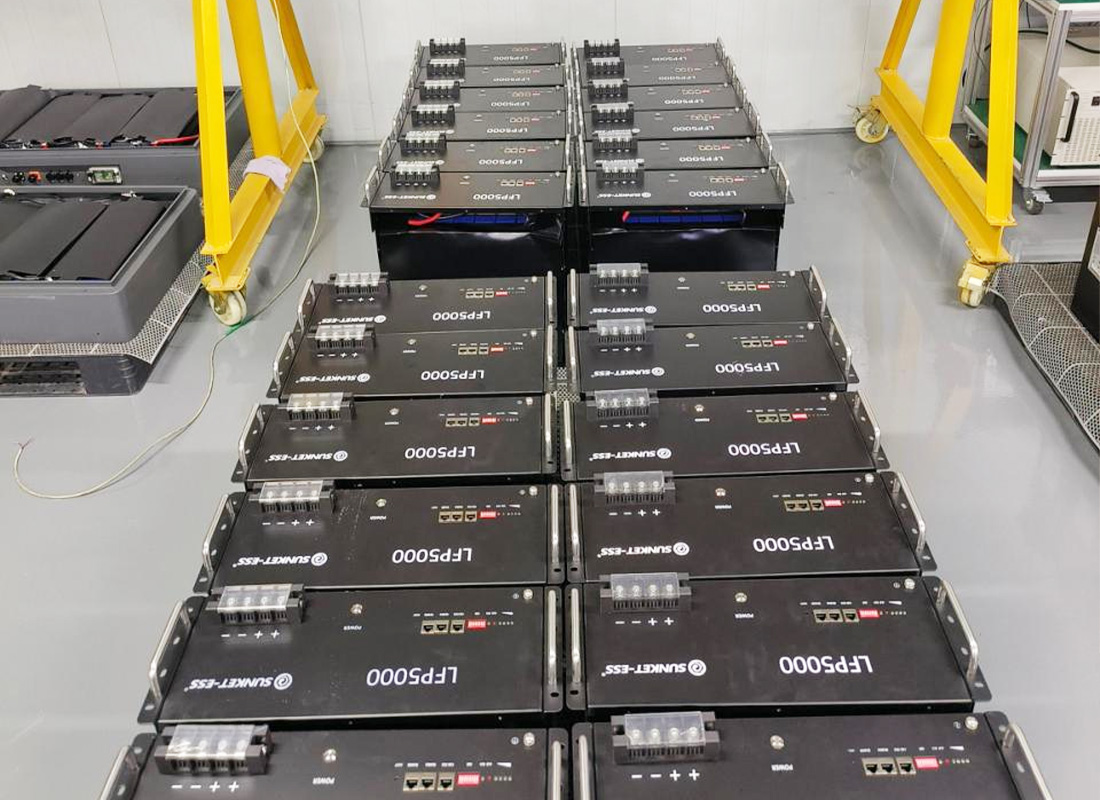
Configuration: PCS: 480kW, BAT: 1200kWh, PV: 400kW, Backup Diesel Generator: 300kW
Load: Passenger waiting area lighting, air conditioning systems, passenger information display screens, bus station charging piles, security monitoring systems, ticket office equipment, emergency lighting
Operating environment: Urban transportation hub, high temperature, strong sunshine, large passenger flow, high power demand fluctuation, high noise sensitivity
Operating modes: Off-grid operation, solar energy priority, energy storage system for peak load regulation, voltage stabilization and emergency power supply, diesel generator starts automatically during peak passenger flow periods (morning and evening rush hours) or continuous cloudy days to ensure sufficient power supply for the hub.
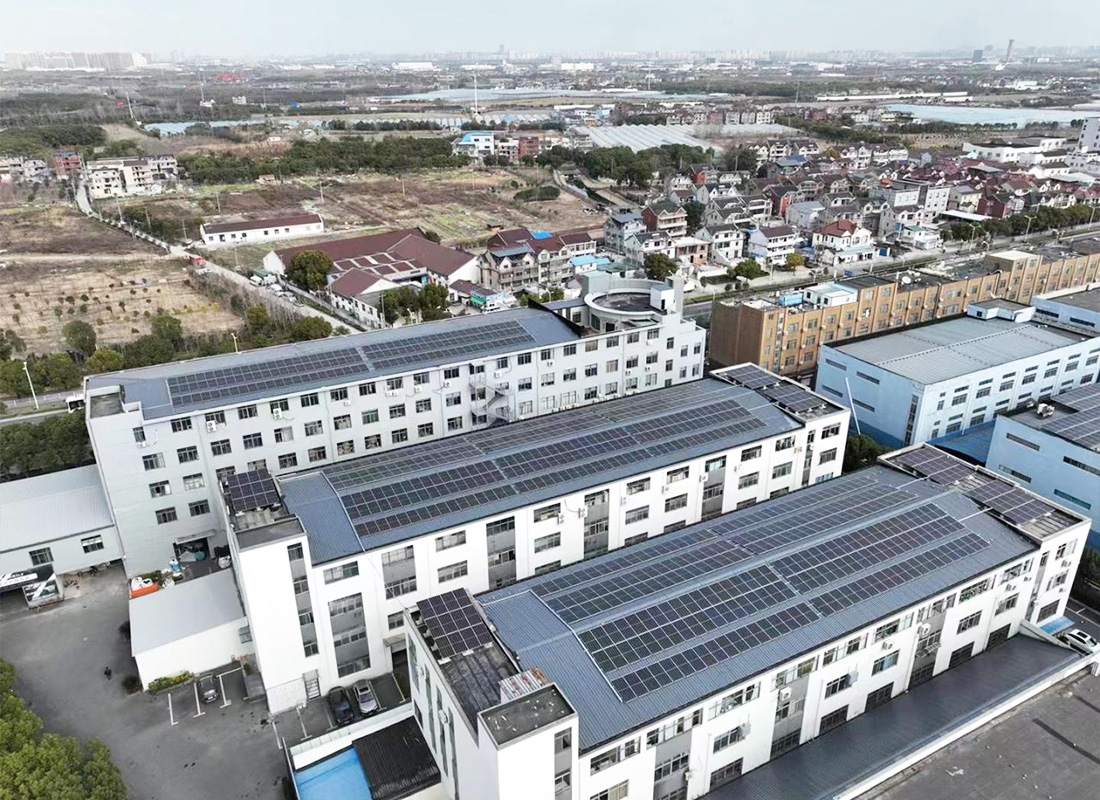
The system adopts a low-noise, compact integrated design, with sound insulation treatment to avoid affecting passengers. It is equipped with an intelligent energy management system that adjusts power supply according to passenger flow changes and power demand, optimizing energy utilization efficiency. The solar panels are installed on the roof of the waiting area, making full use of space without affecting the hub’s appearance.
Since the system was put into operation, the transportation hub has operated stably without power outages. The annual energy cost has been reduced by 55%, and the low-noise, clean energy supply has significantly improved passenger experience. The charging piles for buses and taxis have been put into normal use, promoting the electrification of public transportation. This solution has become a model for green and intelligent urban transportation infrastructure in the region.