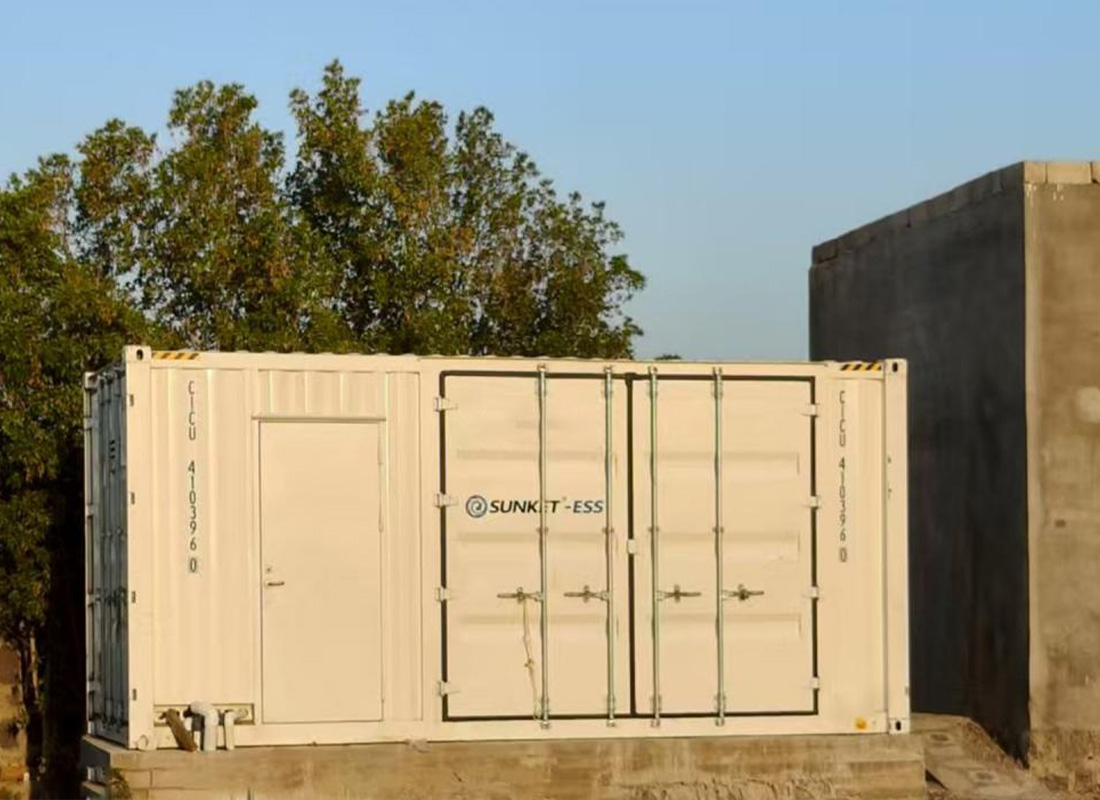
A public hospital in western Uganda is a key medical institution serving remote rural areas, providing emergency treatment, inpatient care, and maternal and child health services. The hospital is located in an area with extremely weak public power grid coverage, with daily power outages lasting 8-10 hours. Frequent power interruptions lead to the failure of medical equipment (such as ventilators, incubators, and operating room equipment), threatening patients’ lives and affecting the normal operation of the hospital. The hospital urgently needs a high-reliability, uninterrupted off-grid power supply solution to ensure medical safety.
Location/Time: Western Uganda, March 2025
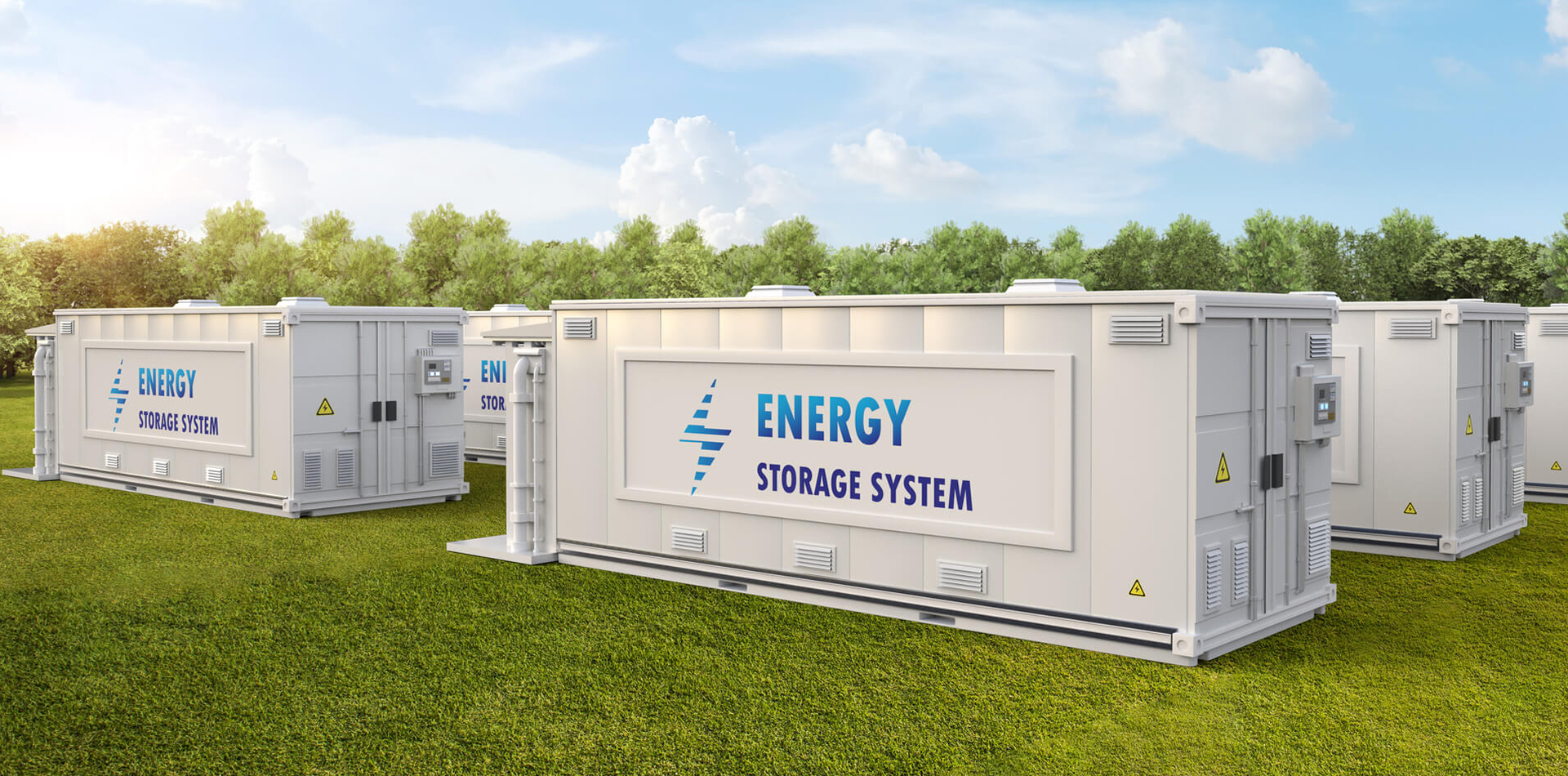
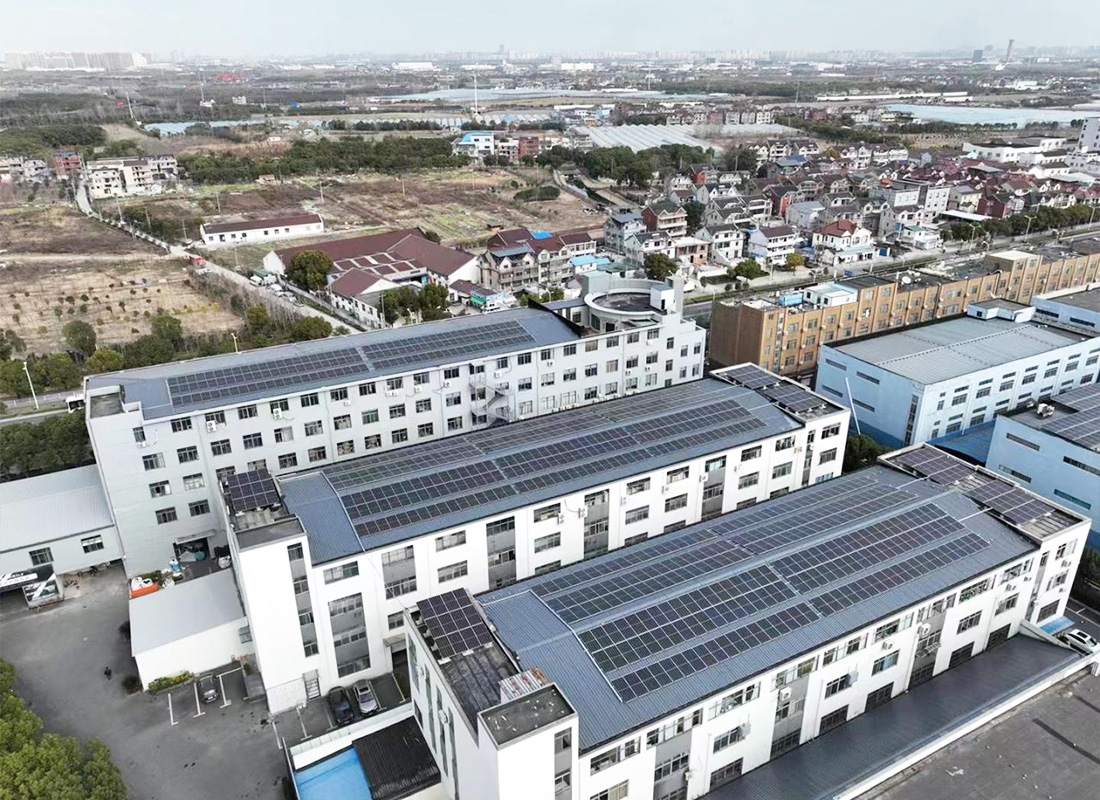
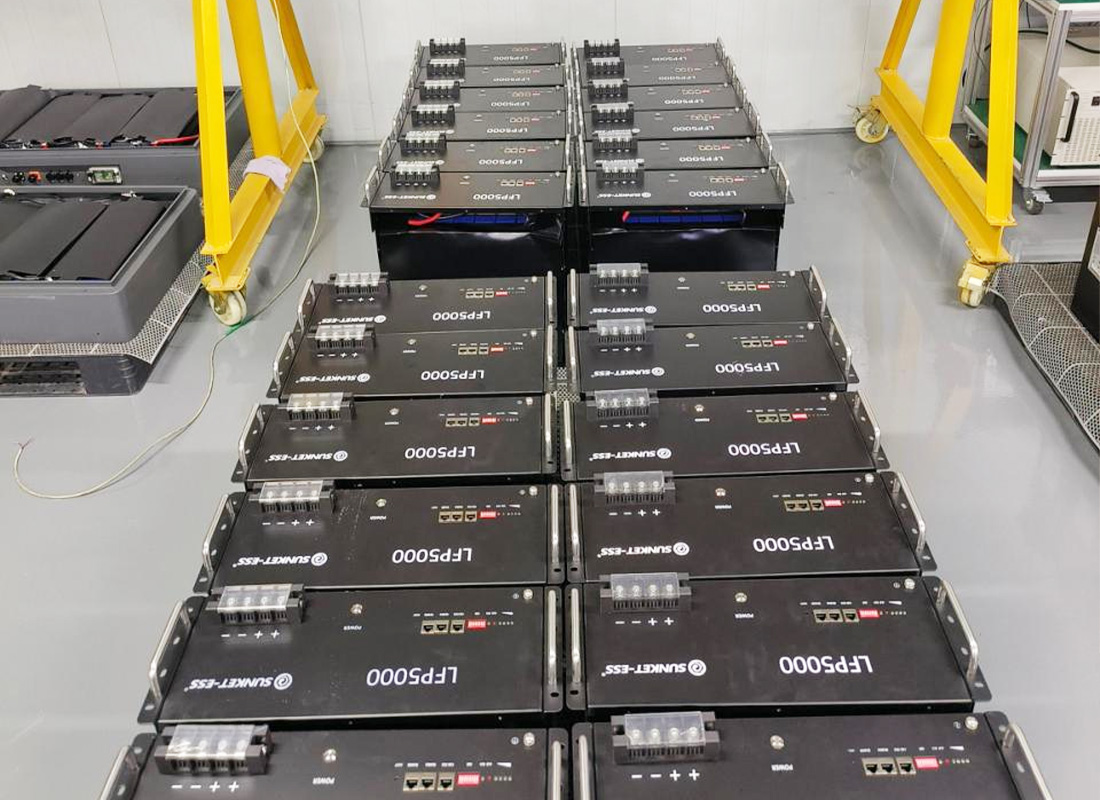
Configuration: PCS: 320kW, BAT: 850kWh, PV: 280kW, Backup Gas Generator: 200kW, Emergency UPS: 60kW
Load: Operating room equipment, ventilators, incubators, medical refrigerators (for vaccines and medicines), hospital lighting, air conditioning, emergency lighting, medical monitoring equipment
Operating environment: Remote rural area, high temperature, high humidity, sufficient sunshine, occasional heavy rainfall
Operating modes: Off-grid operation, solar energy priority, energy storage system for stable power output and peak regulation, UPS for millisecond-level emergency backup of critical medical equipment, gas generator starts automatically in continuous cloudy days or peak medical load periods to ensure 24-hour uninterrupted power supply for the hospital.
The system adopts a high-reliability, low-noise design, which is installed in the hospital’s independent equipment room to avoid affecting the medical environment. It is equipped with a dual-circuit power supply mechanism, ensuring that critical medical equipment will not be interrupted even if one power supply path fails. The intelligent monitoring system can send real-time alerts for power abnormalities, allowing staff to handle faults in a timely manner.
This solution has completely solved the power supply problem of the hospital, eliminating power outage risks for critical medical equipment. The annual energy cost has been reduced by 52%, and the medical service capacity of the hospital has been significantly improved. The hospital can now provide continuous emergency treatment and inpatient services, reducing patient mortality caused by power outages and becoming a reliable medical guarantee for the local area.