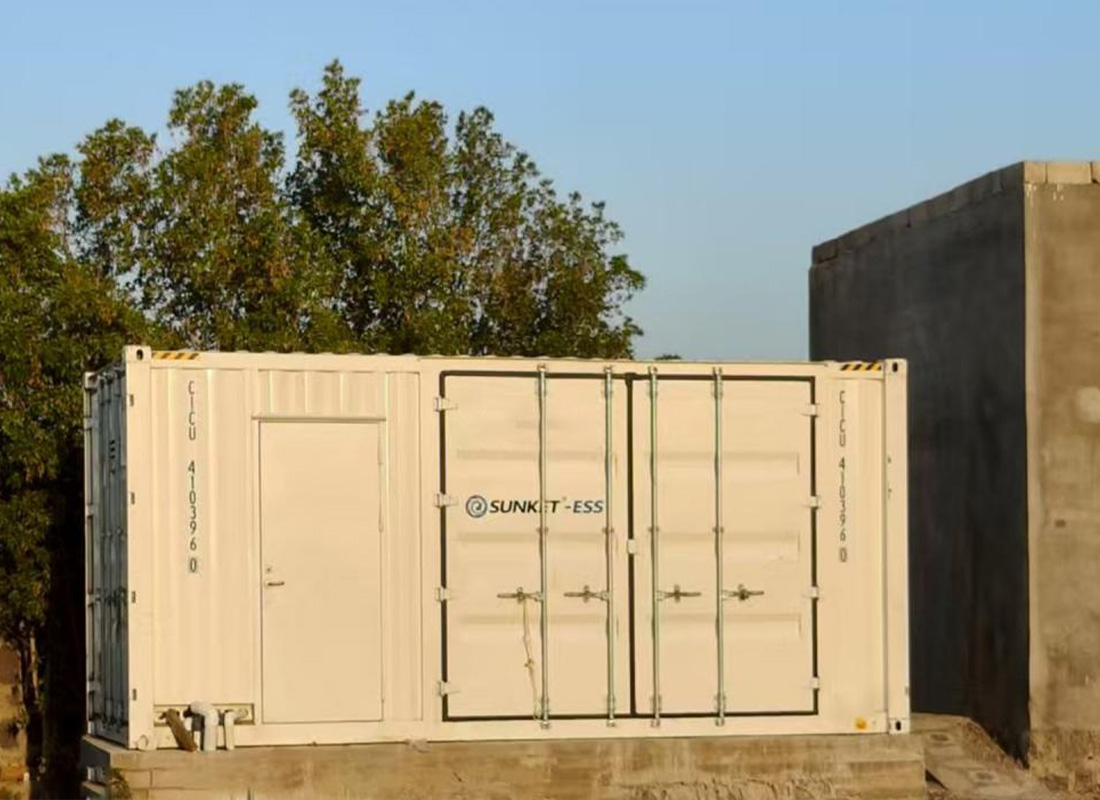
A rural municipal area in southern Ethiopia covers multiple villages, with scattered public facilities including primary schools, community centers, and rural health clinics. The entire area has no public power grid coverage, and public facilities and street lighting rely on small solar panels and diesel generators, which have low power, unstable operation, and short service life. The lack of stable lighting affects rural residents’ travel safety at night, and the unstable power supply affects the normal operation of primary schools and health clinics. The local municipal government urgently needs an affordable, stable, and easy-to-maintain off-grid power supply solution to improve rural public services.
Location/Time: Southern Ethiopia, May 2025
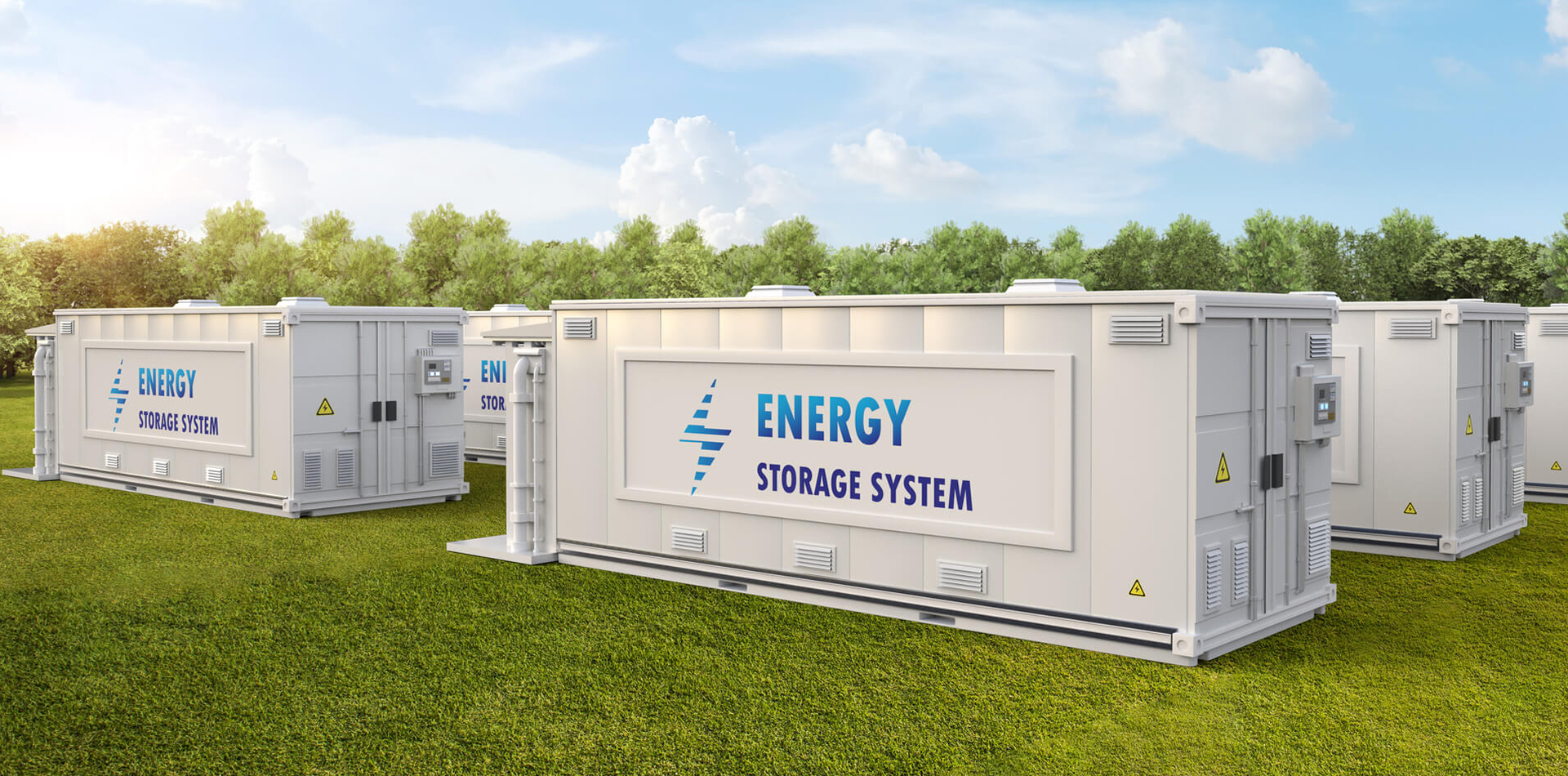
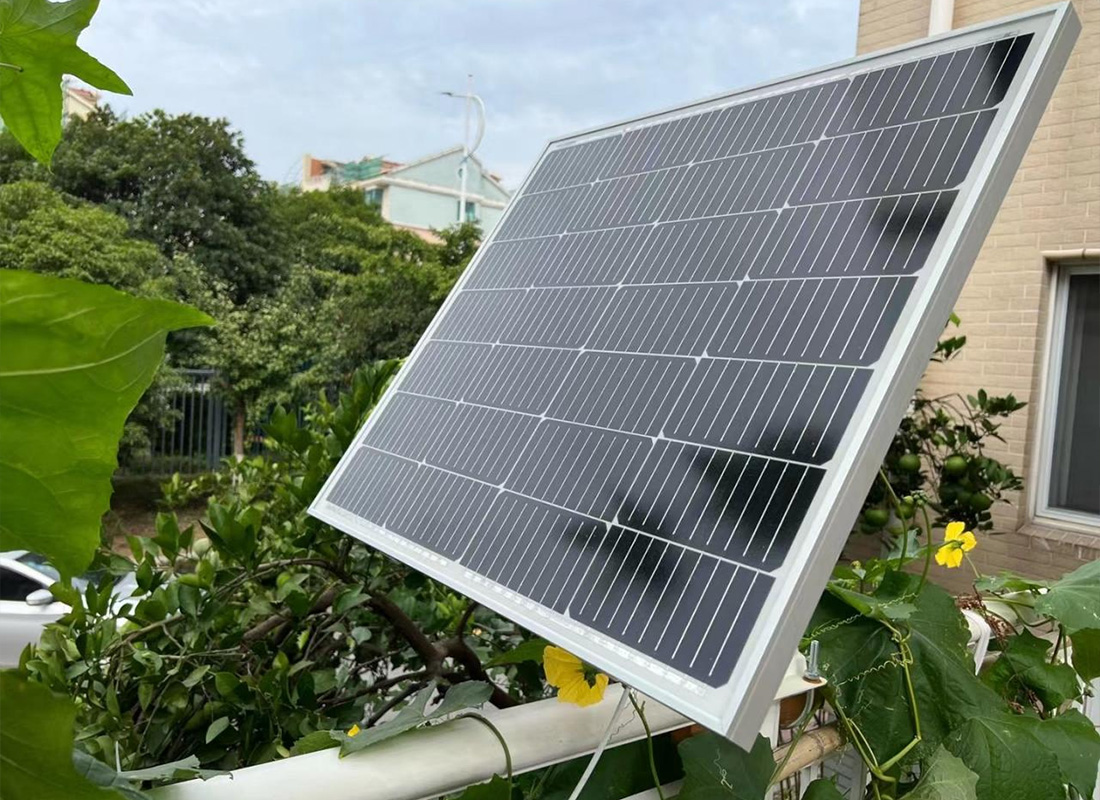
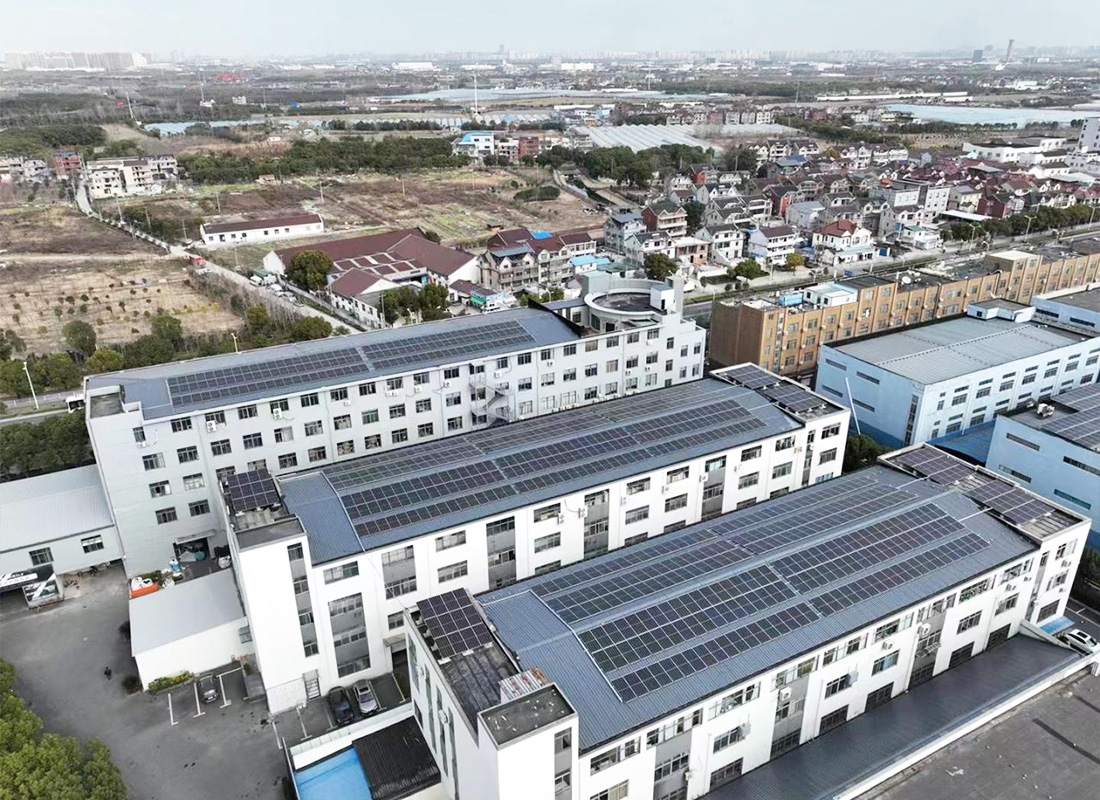
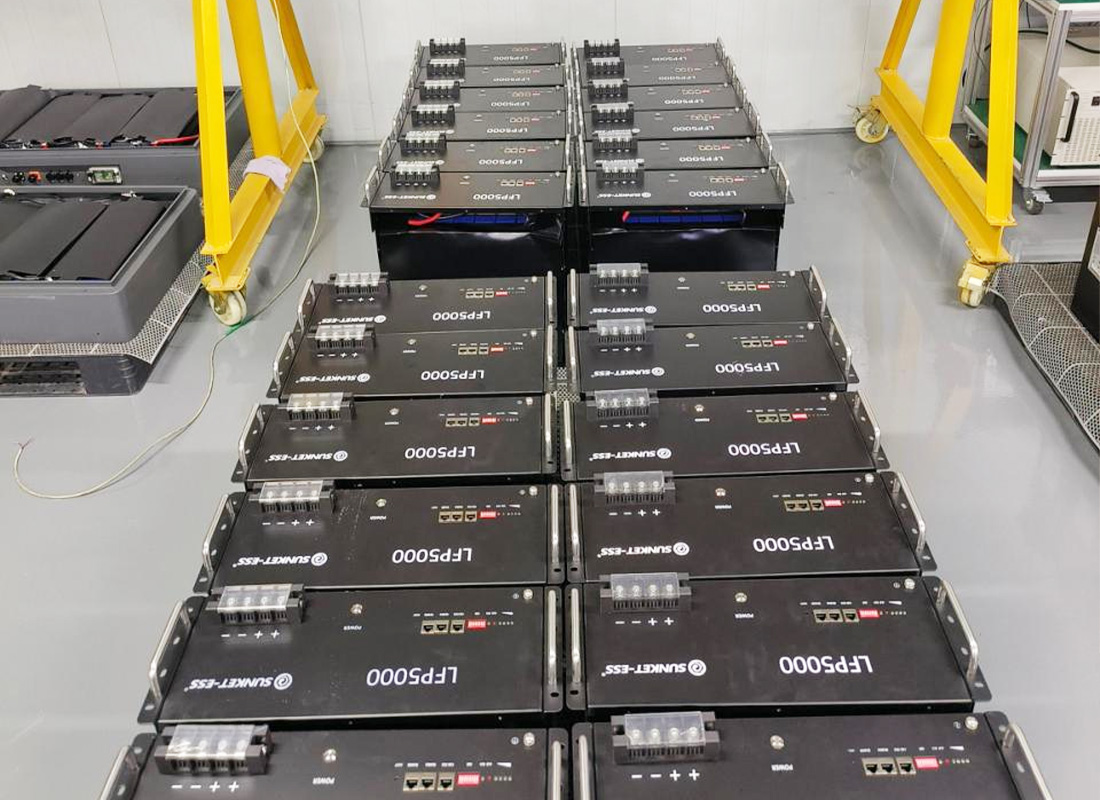
Configuration: PCS: 180kW, BAT: 540kWh, PV: 160kW, Backup Small Diesel Generator: 100kW
Load: Rural street lighting (50+ lamps), primary school lighting and teaching equipment, community center electrical equipment, rural health clinic basic medical equipment, public water supply pumps
Operating environment: Rural municipal area, high temperature, sufficient sunshine, scattered power demand points, simple maintenance conditions
Operating modes: Off-grid operation, solar energy priority, energy storage system for stable power output and daily power supply, diesel generator starts automatically in continuous rainy days to ensure basic power demand of public facilities and street lighting.
The system adopts a simple, durable, and easy-to-maintain design, suitable for rural maintenance conditions. It is equipped with a distributed power distribution system, supplying power to scattered public facilities and street lighting independently, ensuring stable power supply for each point. The street lighting is linked with the energy management system, automatically turning on and off according to the light intensity, saving energy.
This solution has completely solved the power supply problem of the rural municipal area, realizing 24-hour stable power supply for public facilities and night lighting for streets. The annual energy cost has been reduced by 62%, and the rural residents’ travel safety at night has been significantly improved. Primary schools can carry out normal teaching activities, and rural health clinics can provide basic medical services, effectively promoting rural revitalization and improving the quality of life of rural residents.