A rural community in southern Ethiopia is located in a mountainous area with weak public power grid coverage, and most households and public facilities have no access to stable electricity. The lack of electricity restricts the development of local agriculture, education and medical care, and affects residents' daily life. The local government needs an affordable, easy-to-maintain and clean off-grid microgrid solution to realize universal power supply and improve the quality of life of residents.
Location/Time: Southern Ethiopia, May 2025
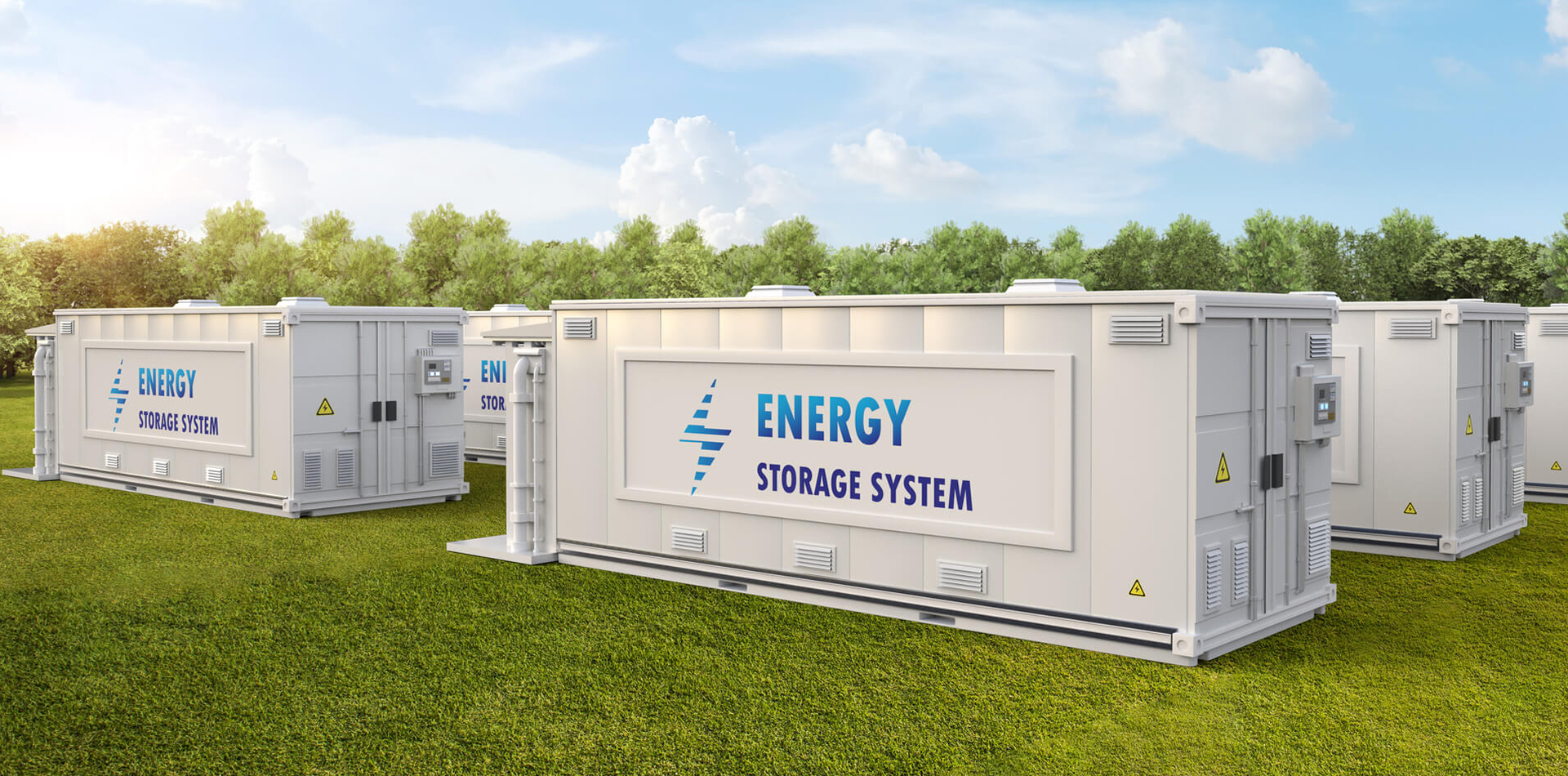
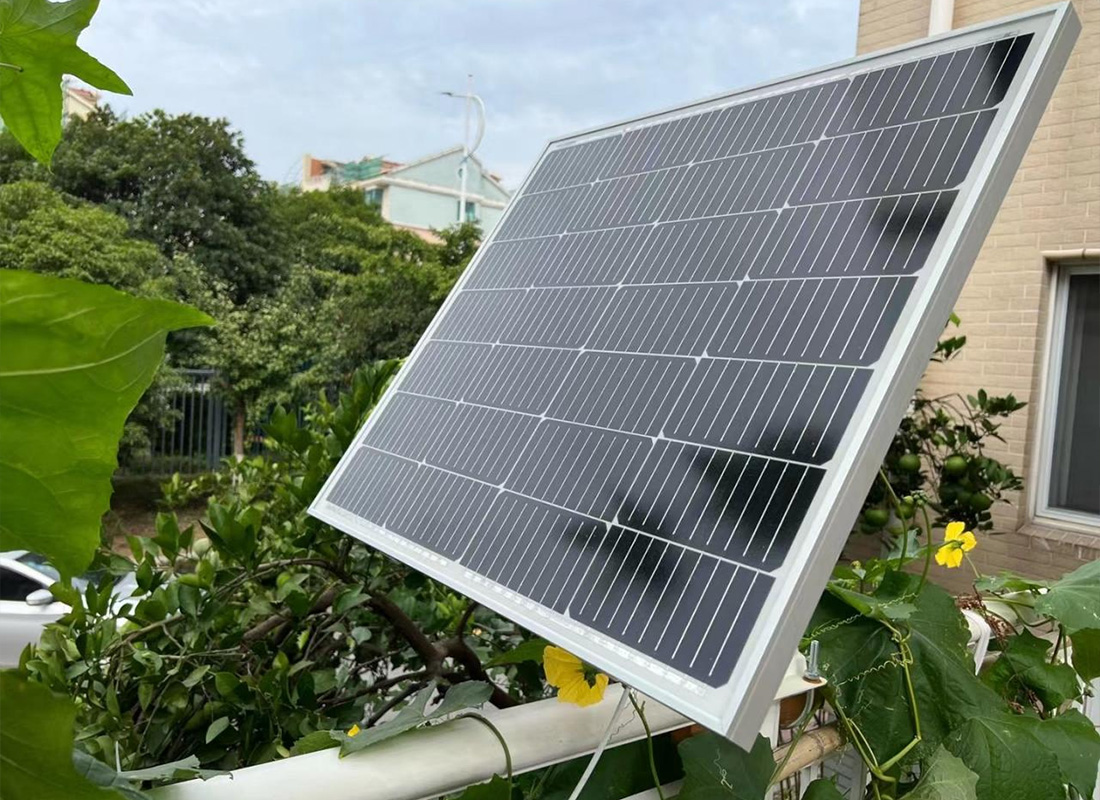
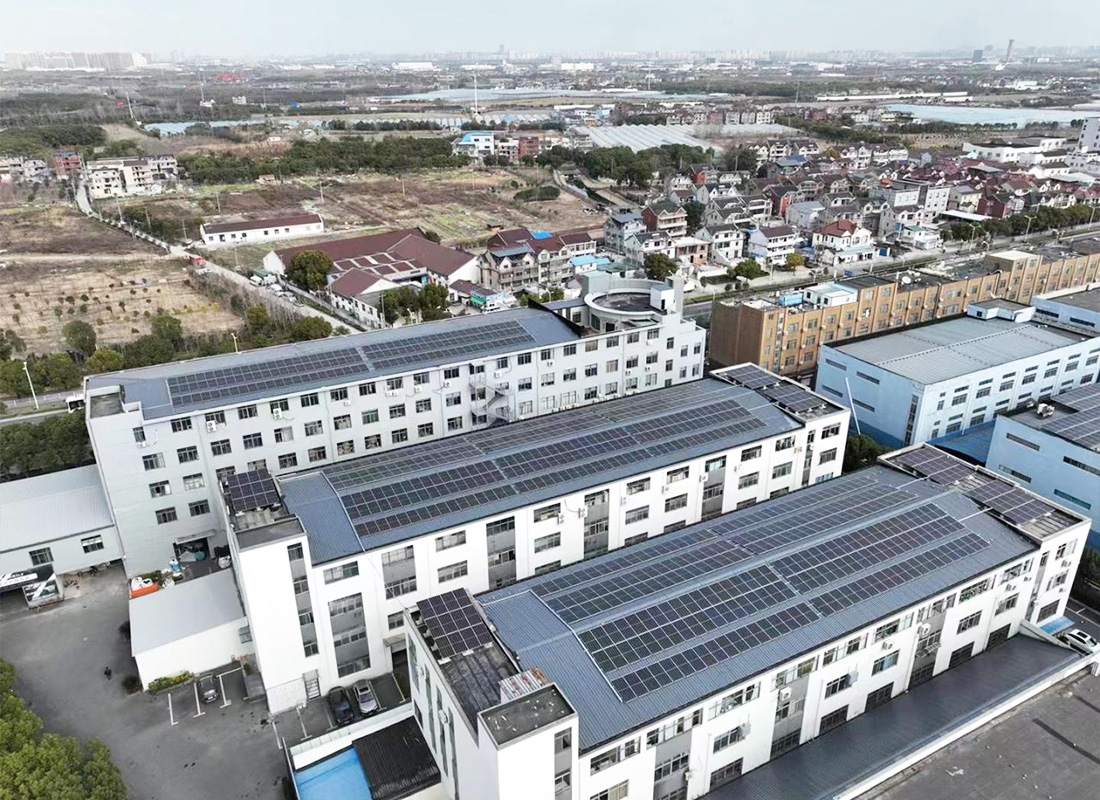
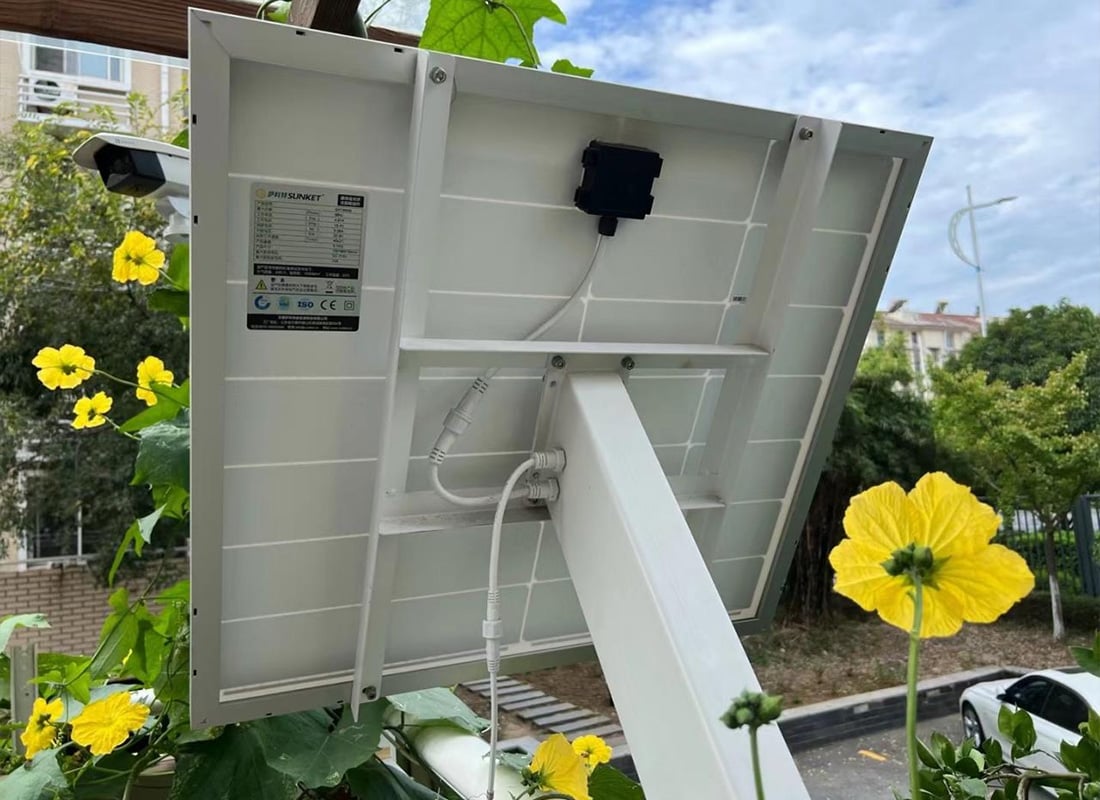
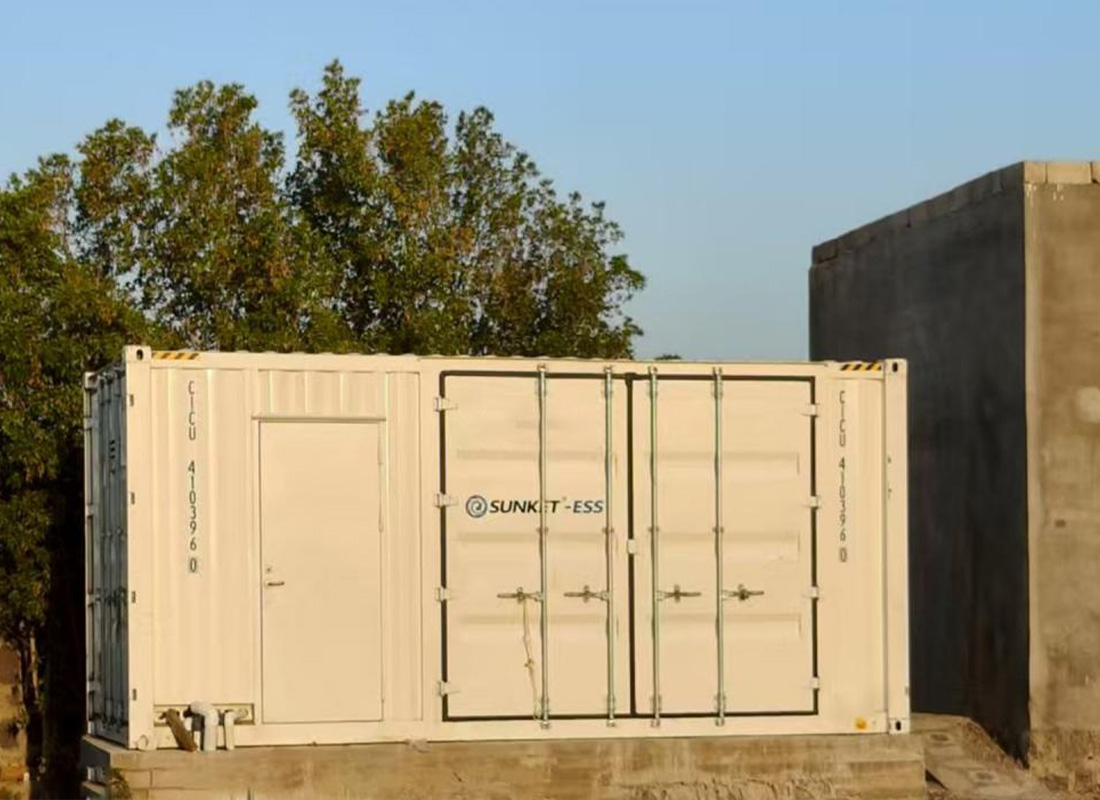
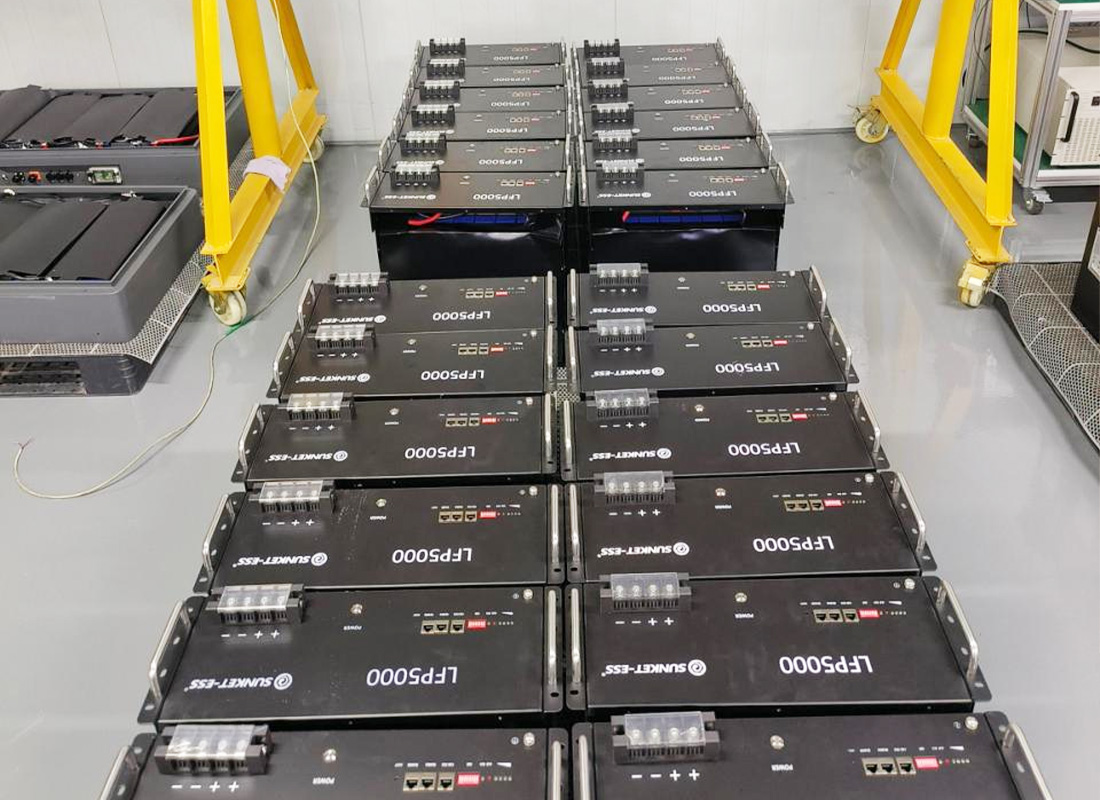
Configuration: PCS: 150kW, BAT: 450kWh, PV: 200kW, Backup Diesel Generator: 100kW
Load: Household lighting, small household appliances, village primary school lighting/teaching equipment, rural health clinic medical equipment, small-scale agricultural processing machinery, water supply pumps
Operating environment: Remote mountainous rural area, high temperature, strong sunshine, simple infrastructure, low maintenance level, small power load but scattered
Operating modes: Off-grid operation, solar energy priority, energy storage system for stable power output and daily power supply, diesel generator starts automatically during continuous rainy days or festival peak load to ensure basic electricity demand of residents and public facilities.
The system adopts simple and reliable integrated design, with low maintenance difficulty and easy operation by local residents. It is equipped with a protective shell to adapt to the outdoor mountainous environment. The power distribution system is reasonably designed to supply power to scattered households and public facilities efficiently, avoiding energy waste.
Since the system was commissioned, all households in the community have access to stable electricity, and public facilities such as primary schools and health clinics have realized normal operation. The solution has promoted the development of local small-scale agriculture, improved the level of education and medical care, and significantly improved residents' quality of life. It has become a model for rural electrification and poverty alleviation through green energy.