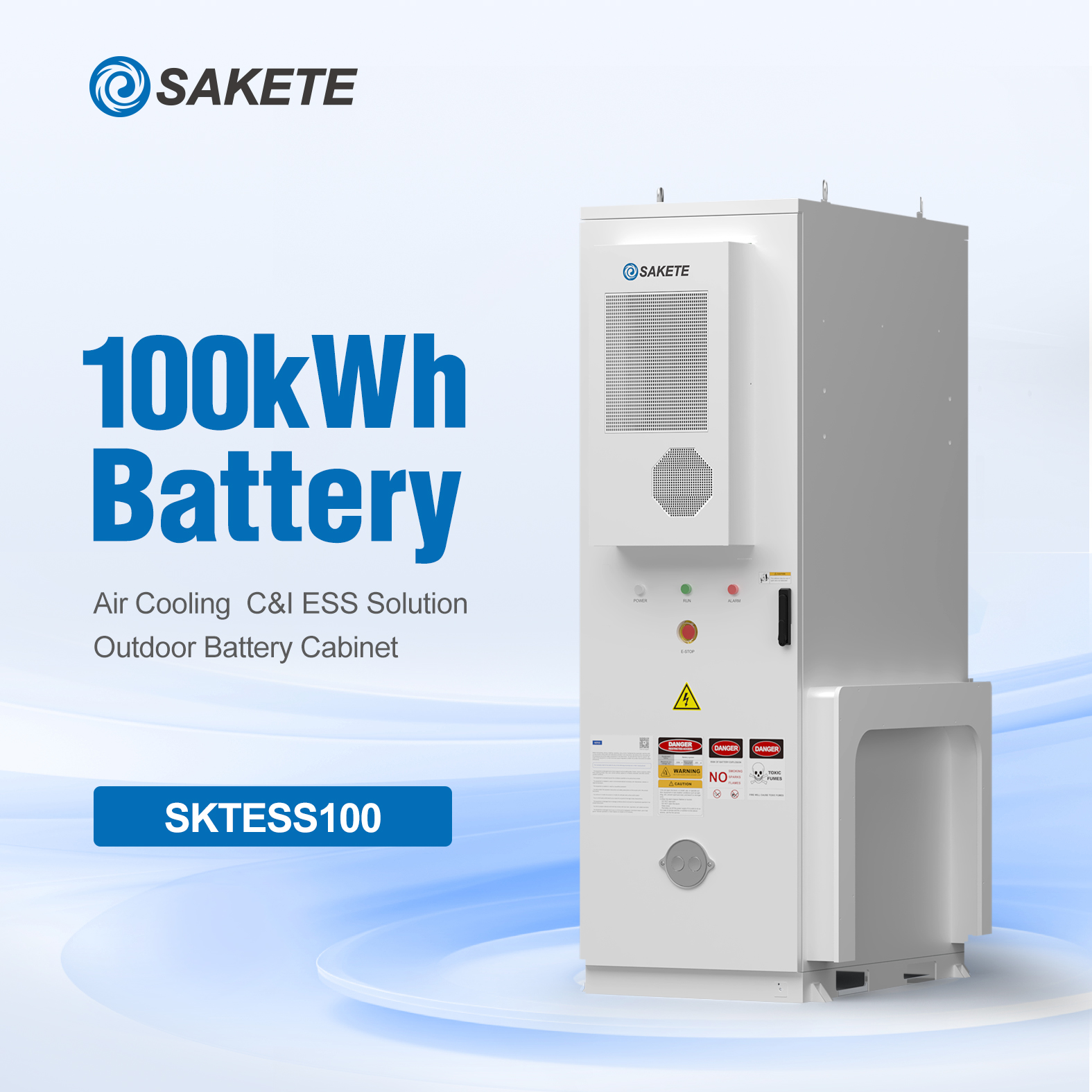
In today’s fast-paced business landscape, energy stability is no longer just a luxury—it’s a critical operational asset. As electricity tariffs rise and sustainability goals become corporate mandates, facility managers are increasingly turning to large-scale energy storage. A 100kWh battery system has emerged as the "sweet spot" for small to medium-sized offices. But can it truly sustain an entire day of business operations? The answer lies in balancing your unique energy profile with the strategic deployment of battery technology.
Deciphering the Office Energy Footprint
To determine if a 100kWh system is sufficient, we must first analyze the daily load profile. A typical office with 20–50 employees—comprising lighting, climate control, workstations, and server racks—consumes between 80kWh and 150kWh daily. While a 100kWh battery can theoretically cover the entire daily cycle, success depends on managing the "Peak Load"—the specific moments when HVAC units, printers, and workstations are all drawing power simultaneously.
The Power Potential of a 100kWh System
A 100kWh capacity acts as a robust buffer. To visualize how this energy is utilized, consider the typical consumption rates of standard office infrastructure:
| Equipment Type | Average Wattage | Estimated Daily Load (8 hrs) |
| Workstation (Laptop/Monitor) | 100W/unit | 0.8 kWh/unit |
| LED Office Lighting | 500W/zone | 4.0 kWh/zone |
| Medium Office HVAC | 5,000W–8,000W | 40–64 kWh |
| IT Server Room | 2,000W | 16 kWh |
By pairing 100kWh of storage with smart energy management, offices can bridge the gap during grid outages and avoid peak tariff surcharges.
Strategic Economic and Operational Advantages
Beyond providing backup, a 100kWh battery is a sophisticated financial tool. Through "Peak Shaving," businesses can draw power from the battery during expensive peak-rate hours, significantly lowering monthly utility bills. Furthermore, integration with solar arrays allows companies to store surplus renewable energy for evening use, accelerating the path to grid autonomy.
| Benefit | Utility-Dependent Mode | Battery Storage Mode |
| Peak Demand Costs | High (Premium rates) | Minimal (Battery-powered) |
| Grid Reliability | Vulnerable to outages | Immune to short-term disruptions |
| Carbon Impact | High (Traditional grid) | Low (Optimized renewables) |
Reliability in Manufacturing and Supply
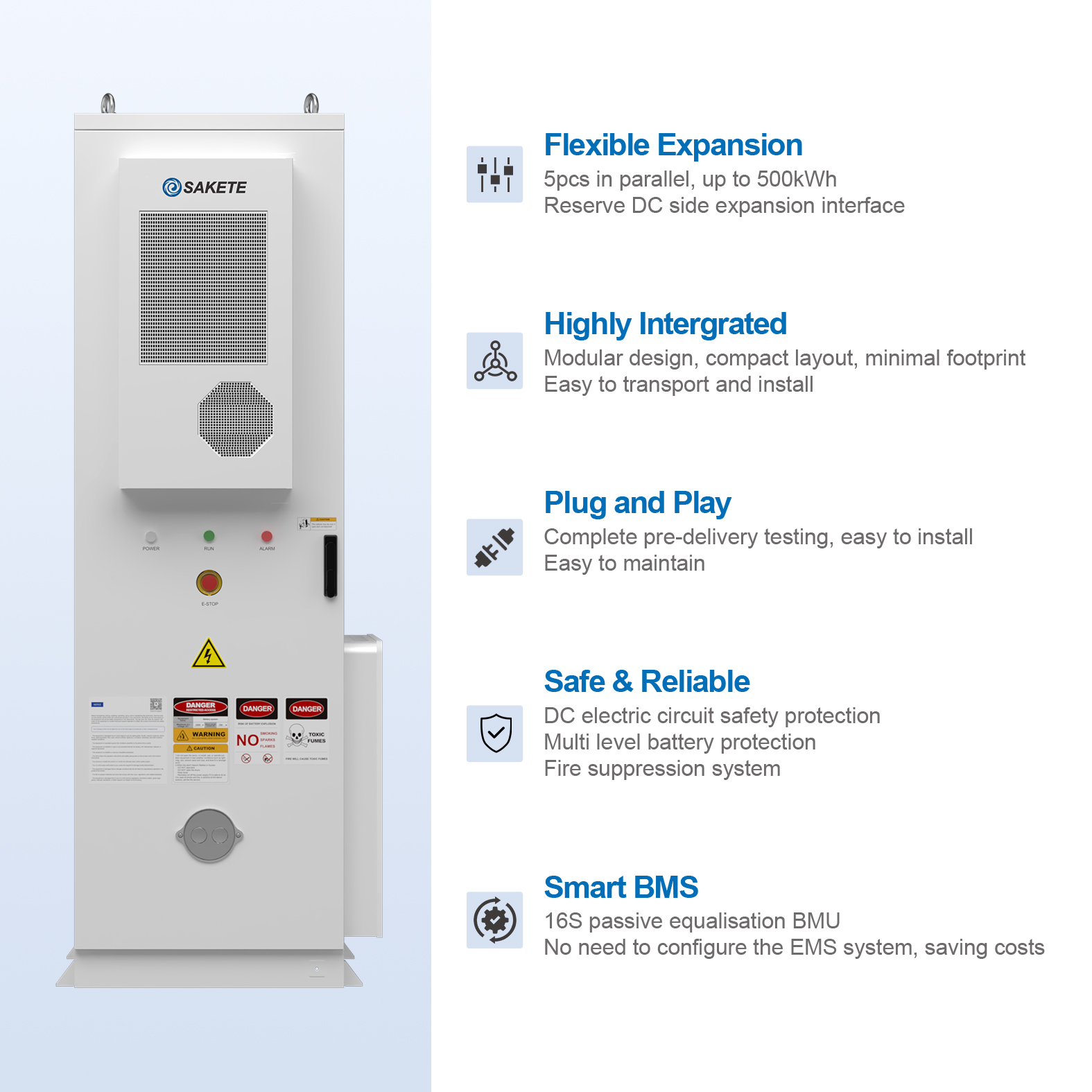
Capacity is only as reliable as the chemistry and management system behind it. High-cycle-life Lithium Iron Phosphate (LiFePO4) cells, combined with an advanced Battery Management System (BMS), are the pillars of a durable energy solution. Selecting a manufacturer with proven production experience is essential to ensure long-term capacity retention. Saket Energie leverages specialized manufacturing expertise and a robust global supply chain to deliver 100kWh systems that meet the highest standards of safety, efficiency, and cyclic durability.
Driving Future Workspace Efficiency
For forward-thinking enterprises, a 100kWh battery system is not merely an expense—it is a strategic investment in business continuity. By accurately assessing power requirements and selecting industrial-grade hardware, companies can foster a stable, sustainable, and future-proof workspace. Through the technical precision provided by Saket Energie, businesses can confidently lead the transition to decentralized, smarter energy consumption.