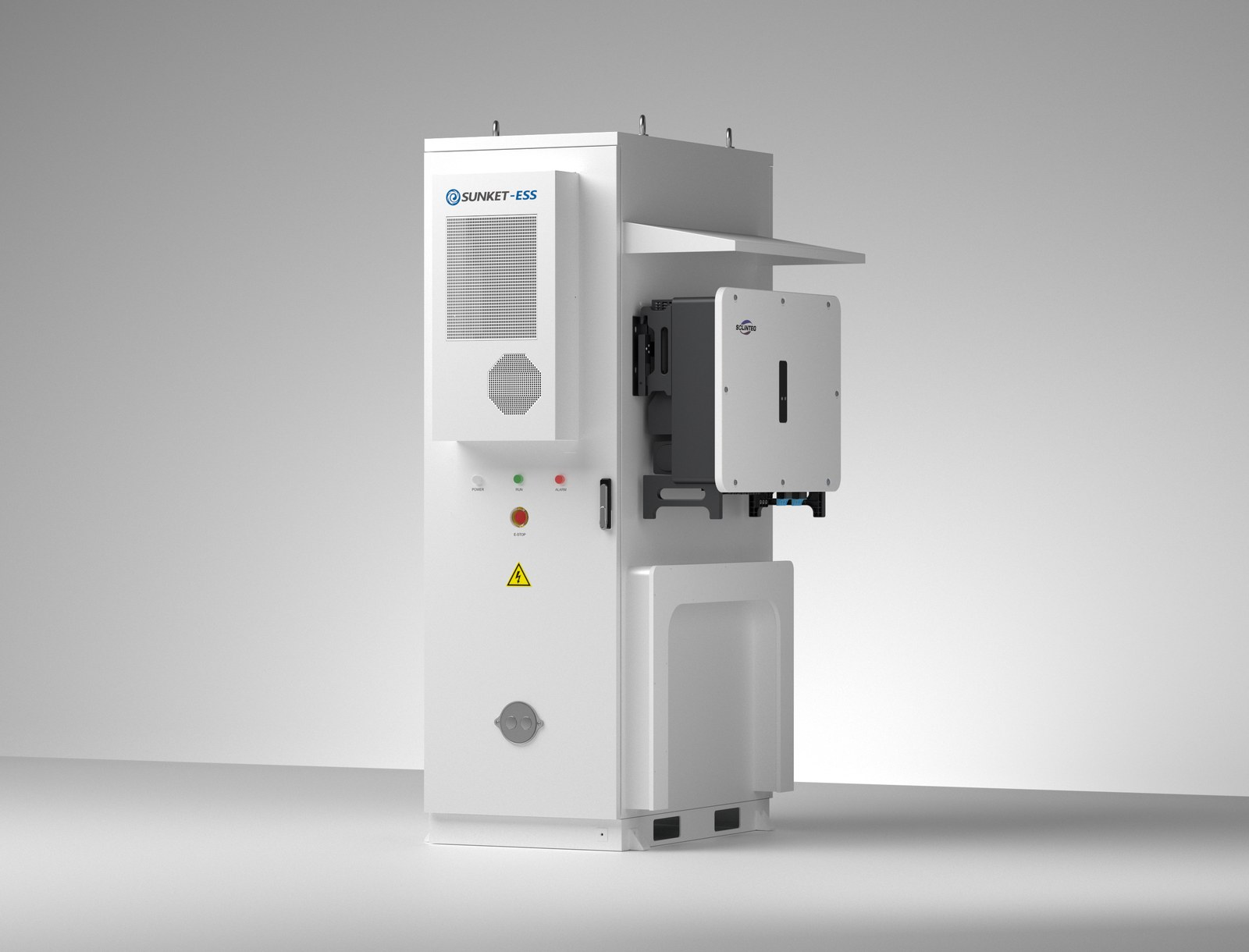
The Essential Role of Safety in Public Infrastructure
Public facilities—from schools and hospitals to community centers and municipal offices—require energy solutions that prioritize reliability and absolute safety. When integrating energy storage into these environments, the focus often narrows to efficiency and footprint. However, the true benchmark for any installation is its ability to handle risks, particularly fire. Modern cabinet systems have evolved far beyond mere storage units; they are now sophisticated, engineered solutions designed to mitigate hazards before they manifest. Implementing these systems is no longer just a technical choice but a mandate for public welfare.
Understanding Fire Protection in Modern Cabinet Systems
What makes a cabinet system truly "safe"? It is not just about the outer shell. True protection comes from a multi-layered approach. High-quality systems incorporate advanced thermal management, fire-resistant materials, and integrated suppression mechanisms that act autonomously. When a temperature spike is detected, the system does not merely alert operators; it isolates the specific rack or battery module to contain the threat. This granular control is crucial in public facilities, where density is high and evacuation protocols are complex.
| Feature | Standard Cabinet | Advanced Fire-Protected Cabinet |
| Thermal Monitoring | Basic/External | Real-time, Cell-level |
| Fire Suppression | Manual/Extinguisher | Integrated Automatic System |
| Structural Material | Standard Steel | Fire-rated/Flame-retardant |
| Containment Strategy | None | Module Isolation |
Technical Advantages of Engineered Design
Engineering for safety requires precision. Every component, from the busbars to the casing, must be chosen with flame-retardant properties in mind. Advanced designs utilize passive safety measures, such as venting pathways that direct heat away from sensitive electrical components, combined with active sensors that trigger suppression at the slightest sign of thermal runaway. This engineering synergy ensures that, even in the event of an internal failure, the external environment—the public facility—remains completely unaffected.
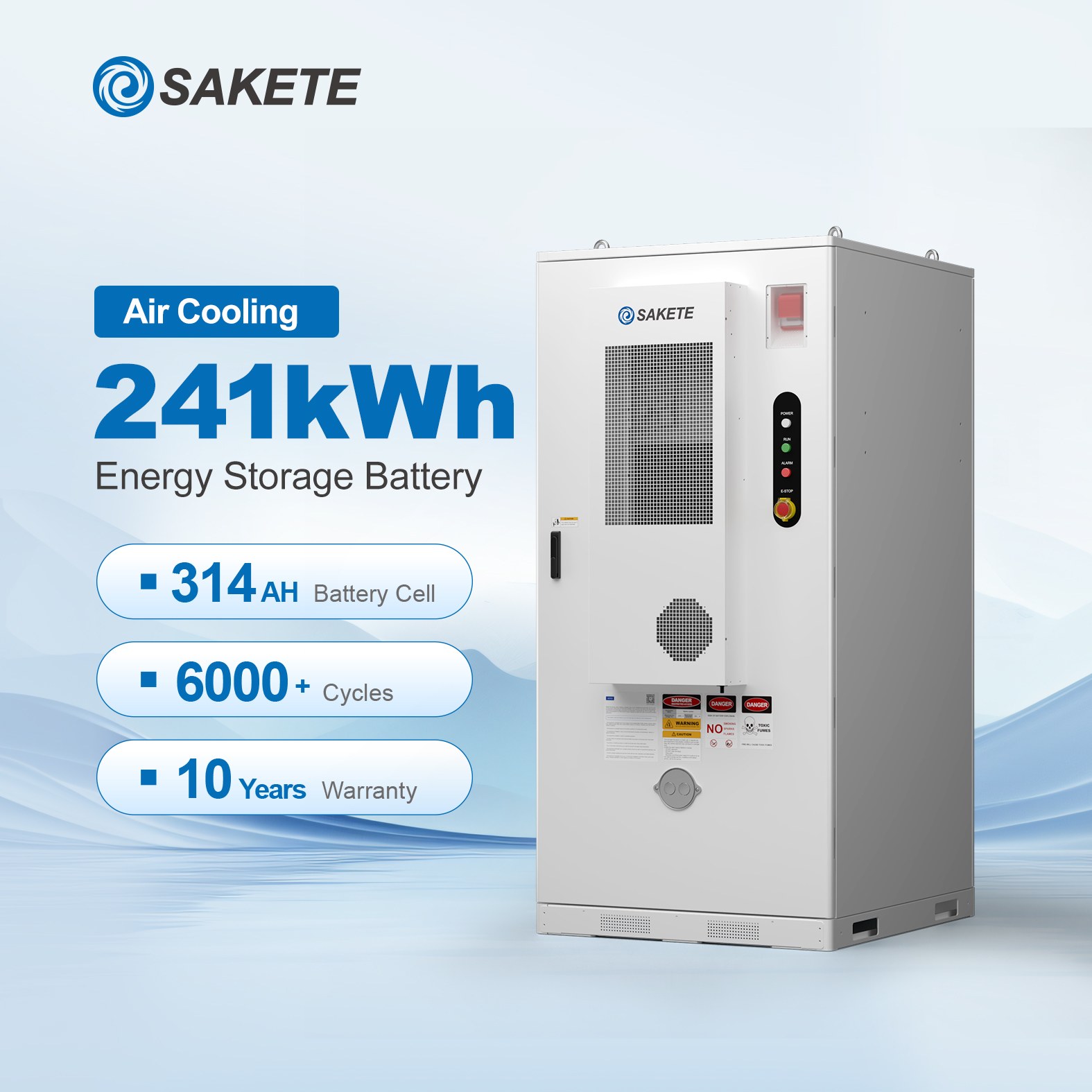
Strategic Benefits for Public Projects
Investing in robust cabinet systems pays dividends beyond immediate safety. These systems are designed for long-term operational stability, reducing maintenance costs and ensuring uptime for essential services. When public administrators choose high-standard hardware, they demonstrate a commitment to safety that builds public trust. Furthermore, with the right supplier, organizations gain access to scalable solutions that grow with their facility's energy needs, optimizing infrastructure investment over years rather than months.
| Benefit Category | Impact for Public Facilities |
| Risk Mitigation | Lowered insurance and liability costs |
| Operational Reliability | Consistent power for critical systems |
| Public Perception | Enhanced trust in facility management |
| Lifecycle Cost | Lower maintenance and replacement expense |
How Sunket Ensures Unmatched Quality Safety is not a feature added at the end; it is baked into the manufacturing process. Sunket specializes in delivering advanced energy storage hardware that adheres to the strictest international safety standards. By maintaining rigorous control over supply chain quality and engineering, Sunket provides the necessary reliability for demanding public sector environments. Whether designing a new facility or upgrading legacy infrastructure, leveraging the manufacturing capabilities of Sunket ensures that every cabinet system is built to protect the people it serves.