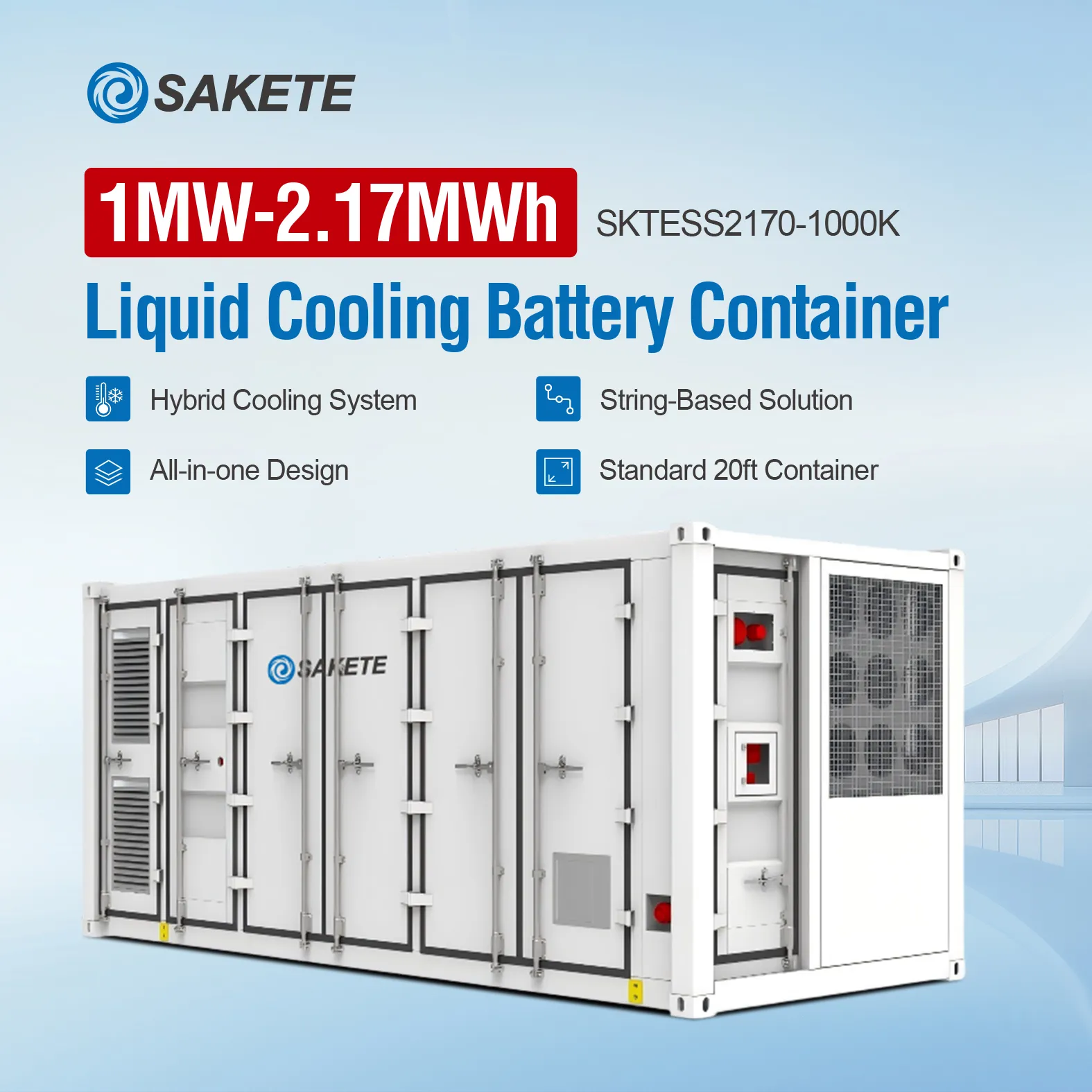
For many industrial and commercial operators, the monthly electricity bill is a frustratingly complex document. Beyond the consumption volume, utility providers often impose heavy "peak demand charges" based on the highest power usage during the busiest hours. These charges can account for a massive portion of operating costs. Implementing an ESS offers a pragmatic solution to this financial burden, shifting the facility’s relationship with the grid from passive consumption to active, strategic management.
Mastering the Peak Shaving Strategy
The core function of an ESS in cutting costs is known as "peak shaving." By utilizing intelligent algorithms, the energy storage system automatically detects when grid demand—and utility pricing—approaches a peak. Instead of drawing high-cost power from the utility, the facility taps into its stored energy reserves. This smooths out the power demand profile, preventing the "spikes" that trigger expensive utility tariffs. For enterprises operating heavy machinery or cooling systems, this simple switch can lead to immediate, double-digit percentage savings on monthly invoices.
| Benefit Category | Impact on Electricity Costs | Long-term Strategic Value |
| Peak Shaving | Eliminates high-tariff demand spikes | Stable, predictable monthly costs |
| Energy Arbitrage | Shifts consumption to off-peak rates | Optimizes total energy procurement |
| Grid Efficiency | Reduces pressure on utility lines | Enhances company ESG rating |
The Mechanics of Energy Arbitrage
Beyond just shaving peaks, an ESS allows for sophisticated energy arbitrage. Electricity prices are rarely static; they fluctuate based on time-of-use (TOU) pricing models. Advanced energy management systems enable an enterprise to charge its batteries when prices are at their lowest—often during the middle of the night—and discharge that energy during the most expensive peak hours. This proactive management turns the facility into its own micro-utility, effectively decoupling operational costs from external market volatility.
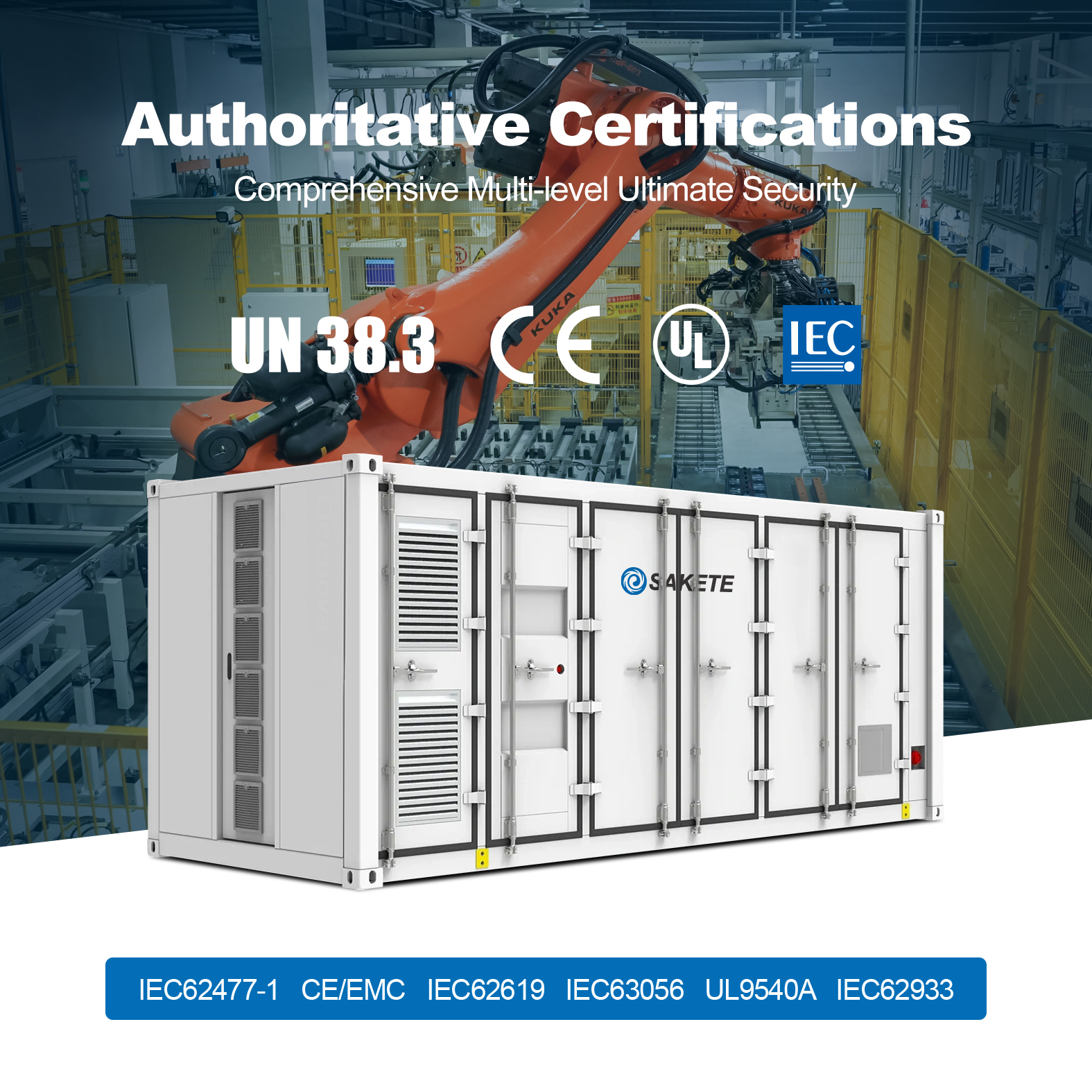
System Reliability Meets Financial ROI
Cost reduction is only part of the value equation. An industrial-grade ESS also serves as a critical fail-safe, providing immediate transition power during grid instability or outages. Facility managers value this dual-purpose utility: protecting expensive hardware from voltage dips while simultaneously slashing monthly overheads. Integrating high-density lithium storage with a responsive inverter creates a seamless power experience that safeguards productivity and profitability in equal measure.
| Technical Metric | Role in Cost Reduction | Why it Matters |
| Round-trip Efficiency | Minimizes energy loss during cycles | Maximizes ROI per kWh |
| Cycle Life | Extends system operational lifespan | Lowers cost-per-cycle |
| EMS Response Time | Enables real-time load balancing | Prevents peak demand triggering |
Manufacturing Excellence in Energy Storage
Realizing these benefits requires industrial-grade reliability, which hinges on precision engineering and robust manufacturing standards. Delivering a high-performance ESS requires rigorous testing, from battery cell chemistry selection to the integration of complex control firmware. SaketEnergie provides exactly this level of expertise, leveraging streamlined supply chain integration to ensure that every storage solution is built for long-term operational success. With a focus on durability and advanced energy management technology, SaketEnergie empowers enterprises to take full control of their energy destiny, transforming electrical consumption into a sustainable, cost-effective competitive advantage.