A rural residential area in central India has no access to the public power grid at all. Residents have long relied on small diesel generators and solar panels with small power for power supply, which can only meet the basic lighting needs, and cannot support household appliances such as refrigerators and water pumps. The unstable power supply has brought great inconvenience to residents’ daily life and even affected children’s online learning. The local government and residents urgently need an affordable, stable and practical off-grid power supply solution to improve the quality of life.
Location/Time: Central India, September 2024
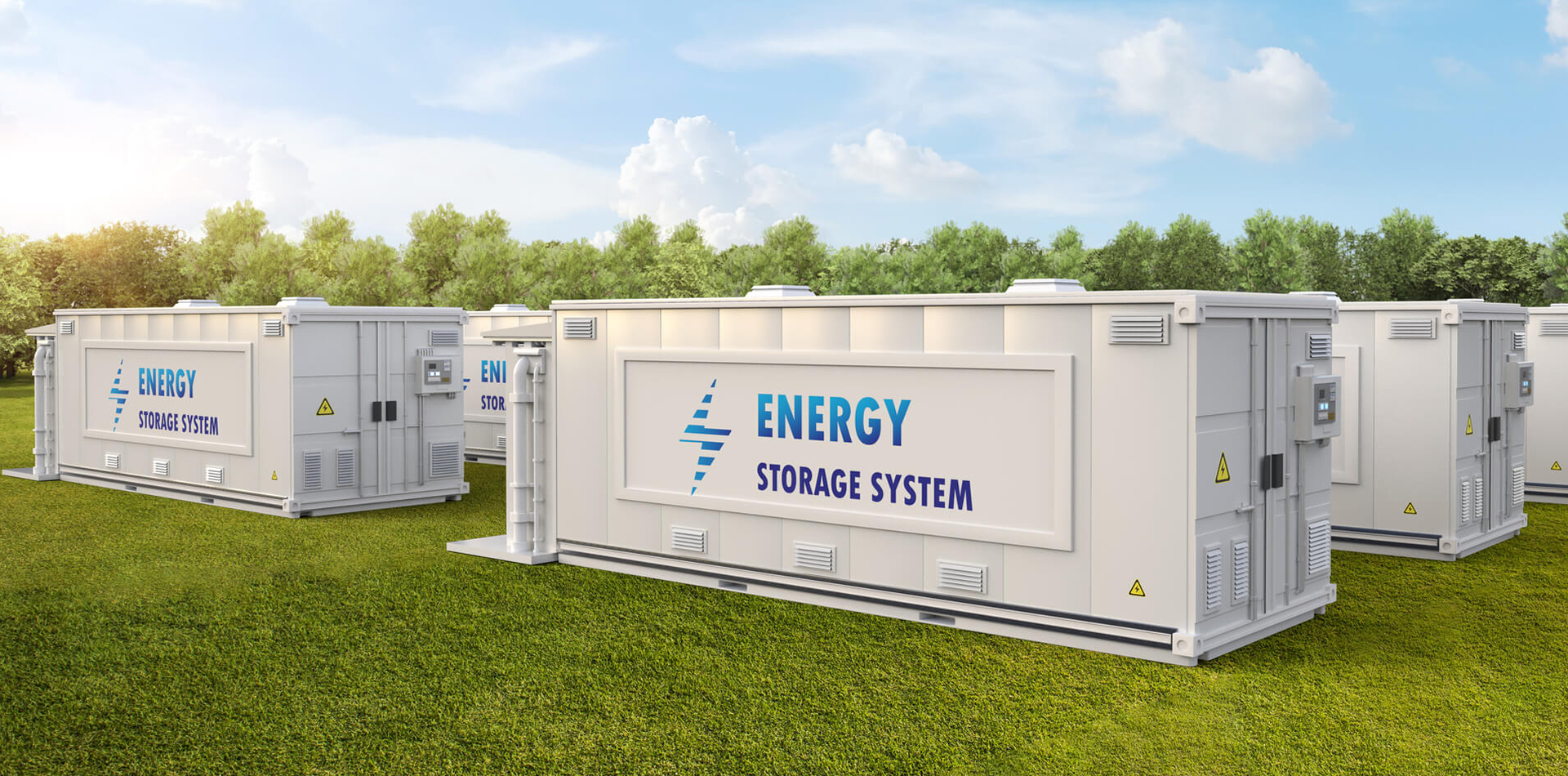
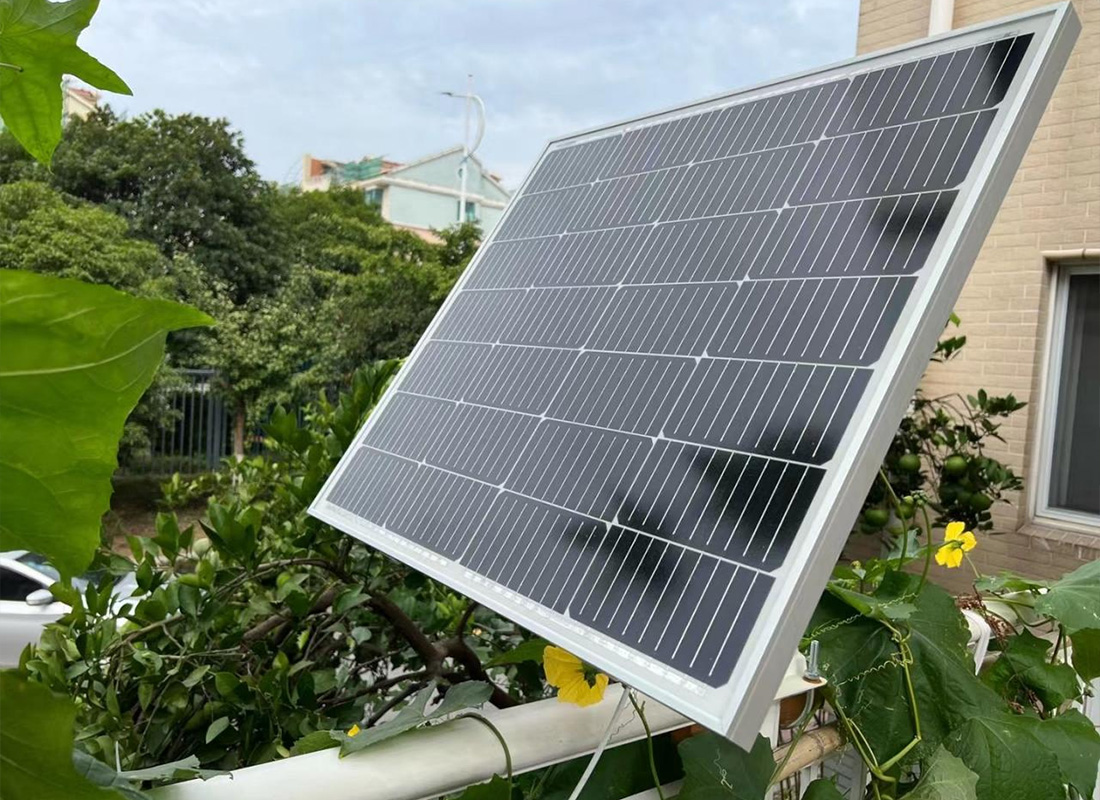
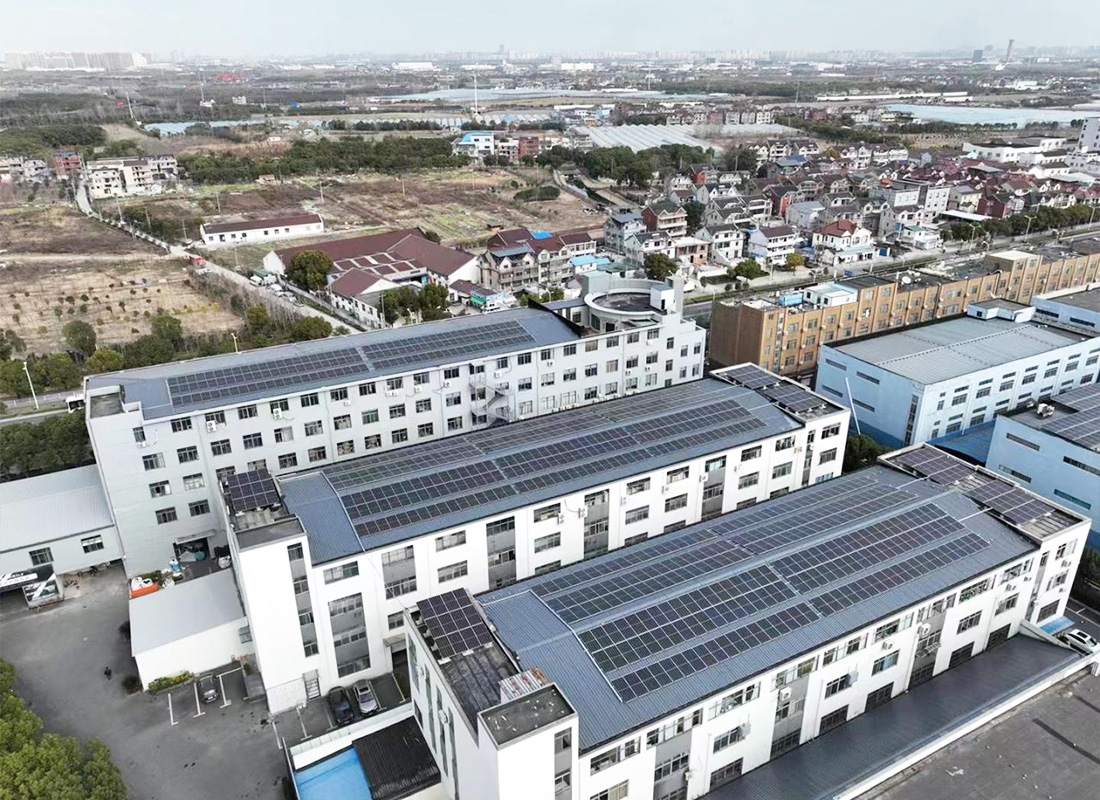
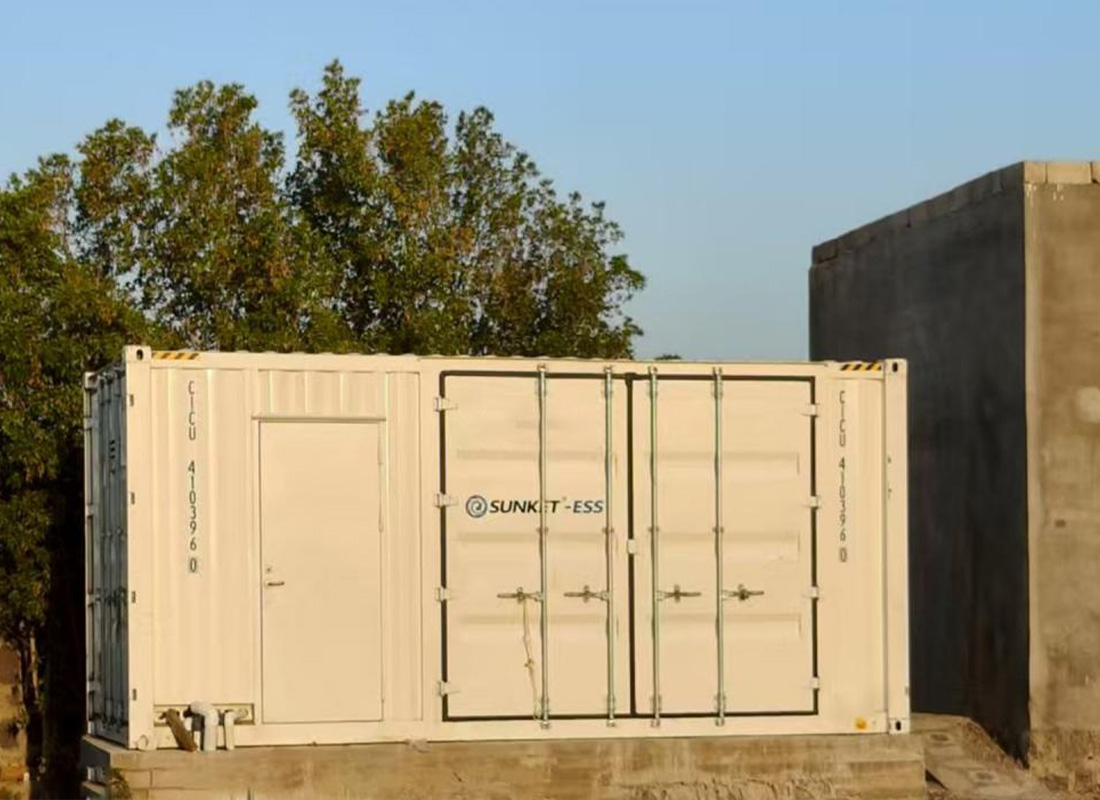
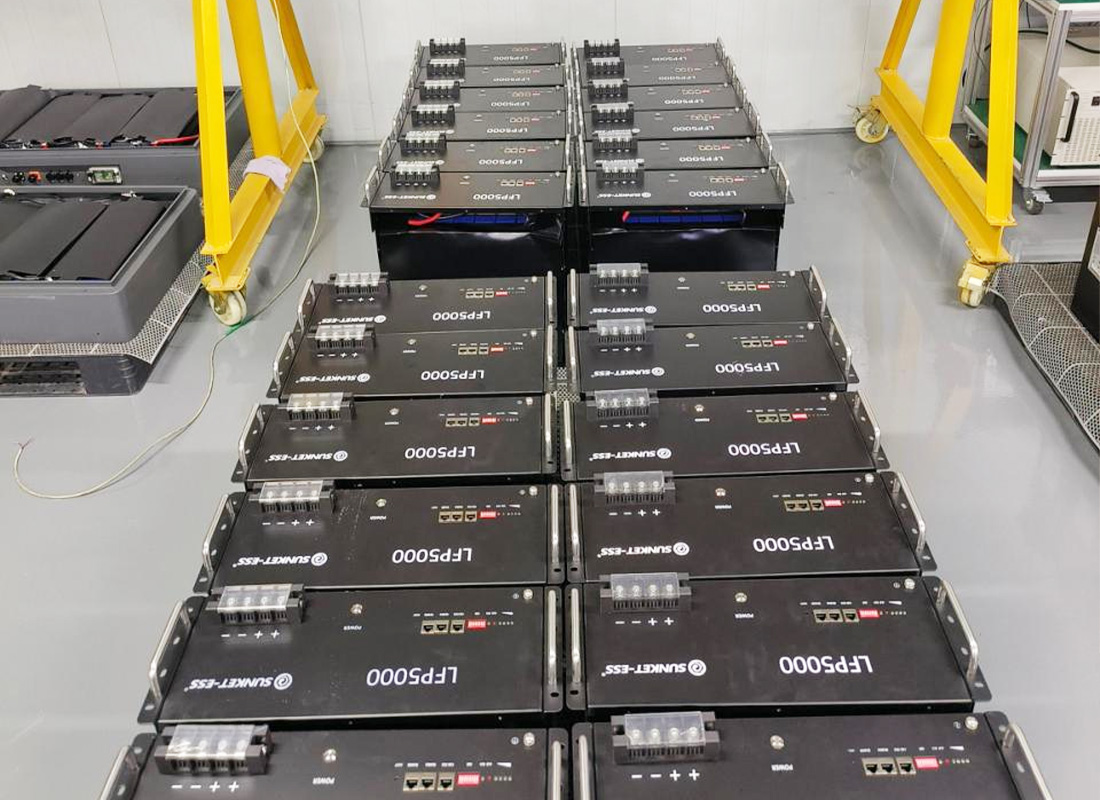
Configuration: PCS: 80kW, BAT: 240kWh, PV: 70kW, Backup Small Diesel Generator: 50kW
Load: Household lighting, small household appliances (refrigerators, rice cookers), water pumps, mobile phone charging, children’s online learning equipment, community public lighting
Operating environment: Rural area, high temperature, high humidity, sufficient sunshine, occasional heavy rainfall
Operating modes: Off-grid operation, solar energy priority, energy storage system for stable power output and daily power supply, diesel generator starts automatically when solar energy is insufficient (such as continuous rainy days) to ensure basic electricity demand of residents.
The system adopts a simple and durable design, which is easy to install and maintain, and is suitable for the actual needs of rural areas. It is equipped with a waterproof and moisture-proof shell to adapt to the high-humidity environment and avoid equipment damage caused by heavy rainfall. The power distribution system is reasonably designed to supply power to each household independently, ensuring fair and stable power supply for residents.
This solution has completely solved the power shortage problem of the rural residential area, enabling residents to use household appliances normally and children to carry out online learning smoothly. The annual electricity cost per household has been reduced by 65%, and the use of clean energy has improved the living environment of the rural area. It has laid a solid foundation for the rural revitalization and improvement of residents’ living standards in the region.