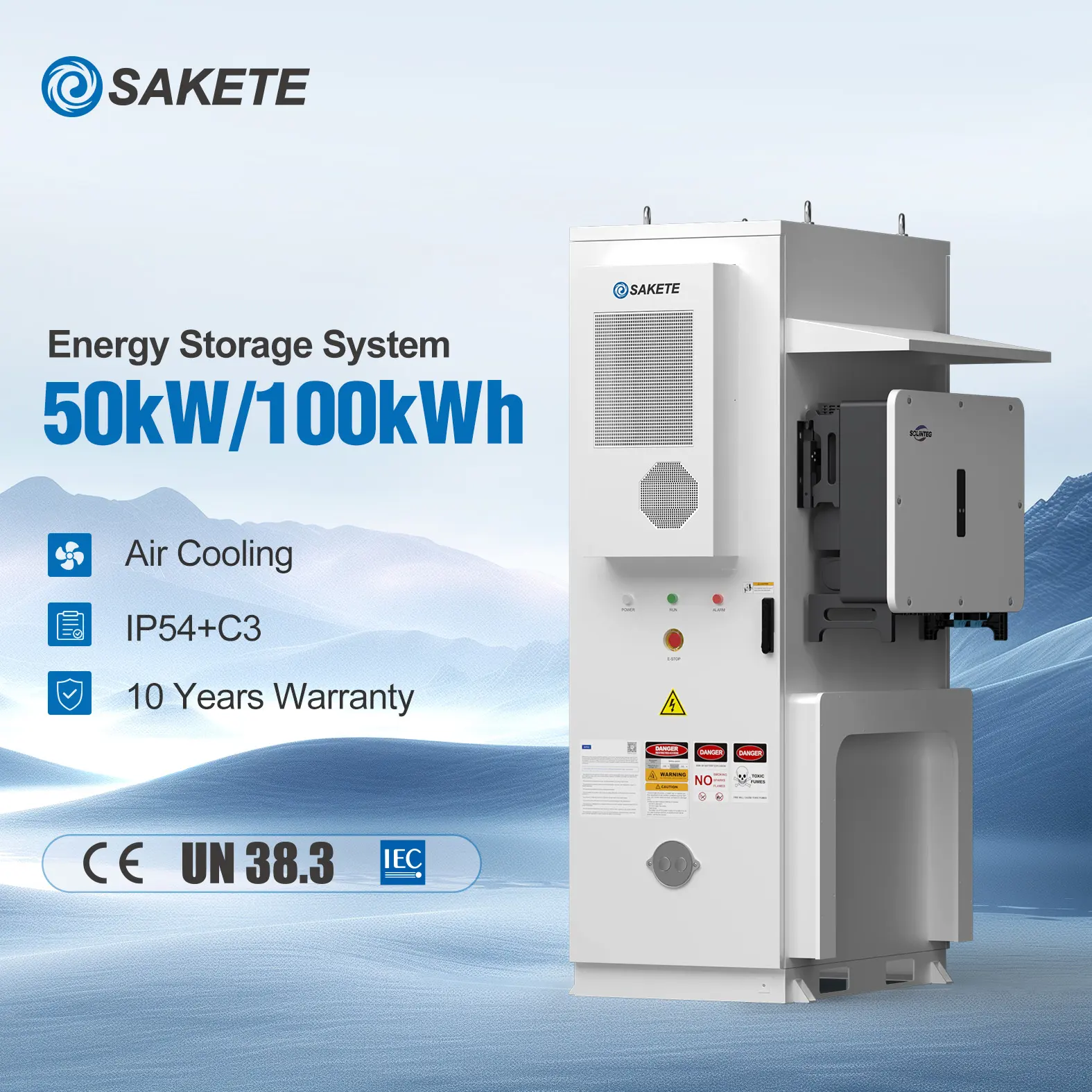
Running a remote farm requires a delicate balance of resources, and energy is often the hardest factor to stabilize. When public grid access is limited, agricultural operations frequently turn to energy storage to bridge the gap between variable solar or wind input and consistent power demand. Among the available technologies, the air-cooled BESS (Battery Energy Storage System) has emerged as a particularly effective solution for off-grid environments. Understanding why these systems are the ideal choice is a priority for savvy farm managers looking to optimize their power infrastructure.
Technical Comparison: Air-Cooled vs. Liquid-Cooled
| Feature | Air-Cooled BESS | Liquid-Cooled BESS |
| Complexity | Simple, fan-based | Complex, pump-driven |
| Maintenance | Very Low | High (Fluid monitoring) |
| Failure Points | Minimal | Multiple (Leaks, pumps) |
| Installation | Rapid / Plug-and-Play | Detailed engineering |
The Simplicity Advantage
At the heart of the air-cooled BESS popularity is a design philosophy rooted in simplicity. Unlike liquid-cooled counterparts that rely on complex plumbing, pumps, and chemical coolants—all of which introduce potential failure points—air-cooled systems utilize robust ventilation and fan-based thermal management. In an agricultural setting where technical support might be miles away, this reduction in complexity is a significant asset. It ensures that the system is easier to monitor, less prone to leaks, and inherently more straightforward for on-site staff to manage, keeping the farm operational without constant specialized intervention.
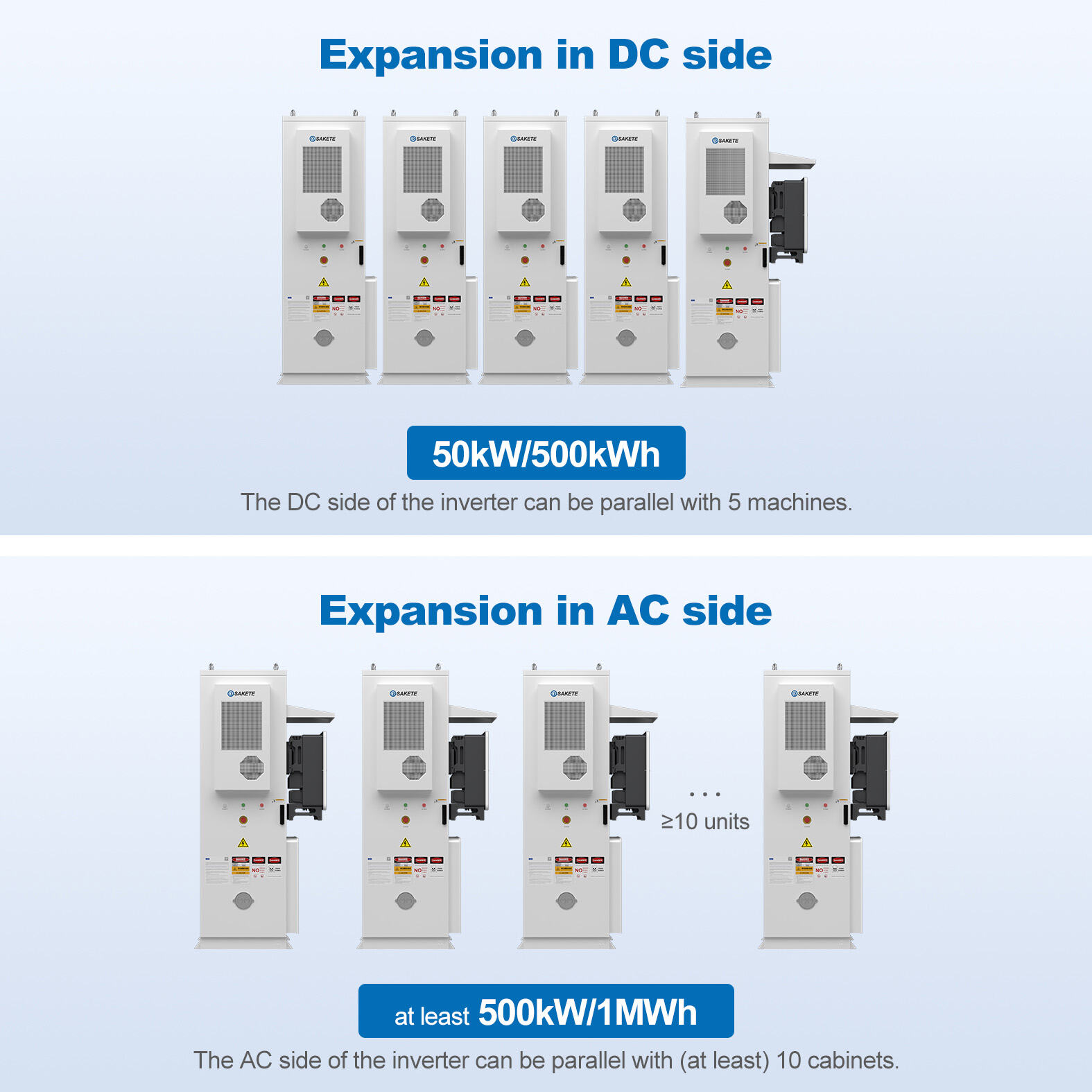
Climate Resilience and Performance
Farms are often exposed to extreme weather, from scorching summers to biting winters. Air-cooled BESS units are engineered to thrive in these varied conditions by leveraging high-efficiency airflow patterns that dissipate heat effectively. By maintaining the battery cells within their optimal temperature window, these systems prevent premature degradation, which is a common issue in rural power arrays. Whether the farm is located in an arid plains region or a humid valley, the thermal stability provided by these air-cooled architectures ensures that power delivery remains consistent throughout the entire year.
Cost-Effectiveness and Ease of Maintenance
For any agricultural enterprise, the bottom line is paramount. Air-cooled storage systems typically offer a lower initial capital expenditure and significantly reduced maintenance requirements. Since there is no need to maintain specialized cooling fluids or check high-pressure seals, the routine maintenance schedule is much lighter. This allows farm owners to redirect their labor and financial resources toward actual crop production or livestock management rather than keeping the power system running. The efficiency of this model makes it a highly sustainable investment for long-term farm scaling.
Engineering Integrity: The Saket Energie Approach
Reliable energy storage is not just about the hardware; it is about the engineering rigor behind the assembly. Saket Energie excels in providing specialized storage solutions that prioritize industrial-grade durability. With a comprehensive supply chain and a deep focus on modular manufacturing, the organization ensures that every BESS unit meets the demanding requirements of global off-grid projects. Focusing on structural efficiency allows for rapid deployment in remote fields, ensuring that farmers get the reliable power they need without lengthy installation delays.
Stepping Toward Energy Autonomy
The transition to off-grid power is a major milestone for any modern farm. Choosing the right storage technology defines the success of this transition. By selecting an air-cooled BESS, farm operators secure a future defined by operational continuity and reduced technical risks. Partnering with industry specialists like Saket Energie ensures that agricultural businesses have access to the highest standards of energy efficiency and supply chain support, empowering them to focus on what matters most: growing the future.