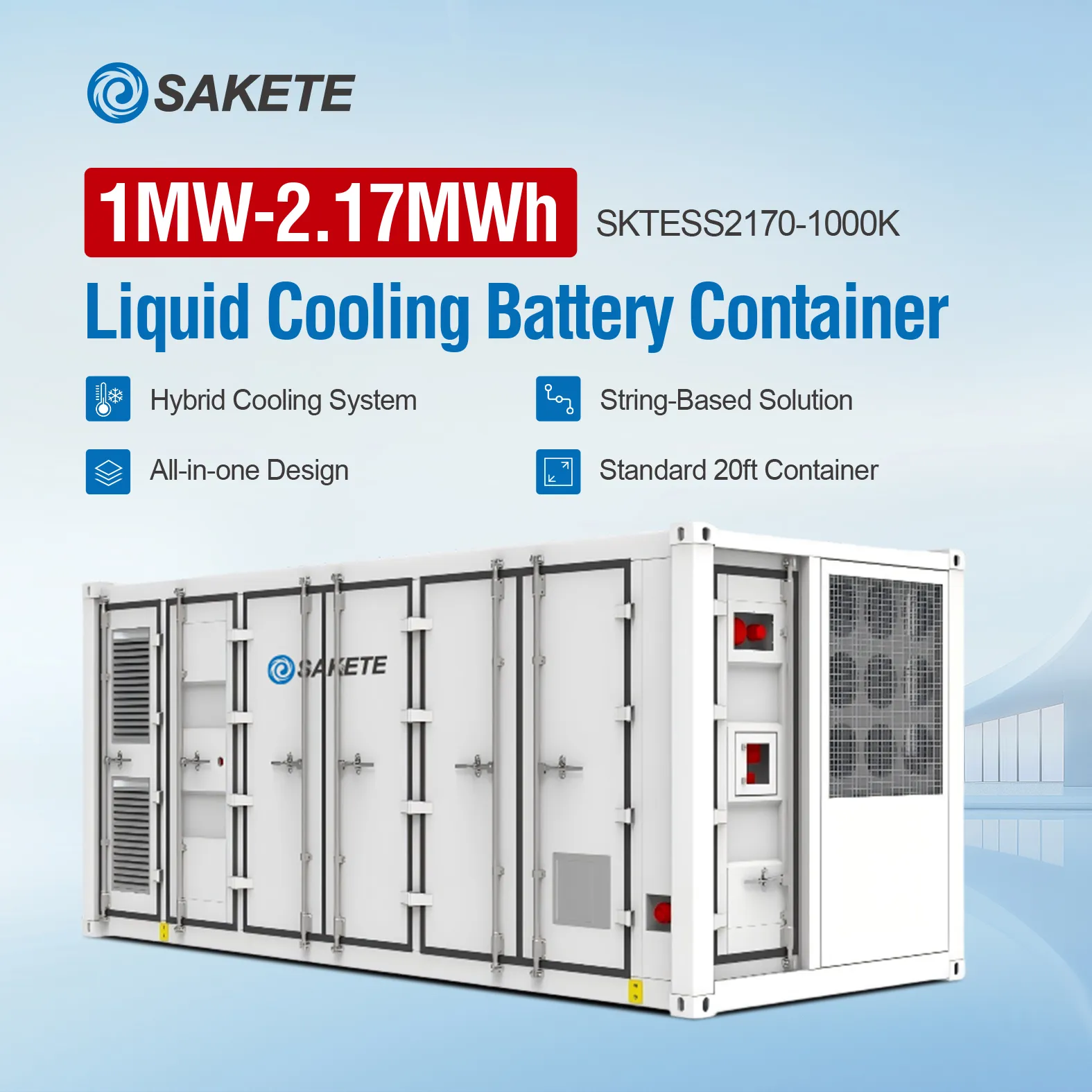
For remote farming operations, energy autonomy is more than a convenience—it is a necessity for operational survival. Farms situated far from public power grids have long relied on diesel generators, which bring the burden of fluctuating fuel prices, constant mechanical upkeep, and significant carbon emissions. Today, the Battery Energy Storage System (BESS) is emerging as the gold standard for off-grid power. By pairing storage solutions with solar or wind resources, farmers can finally transcend the limitations of fuel-dependent systems.
BESS vs. Diesel Generators: A Performance Comparison
| Feature | Diesel Generators | BESS (Battery Storage) |
| Operational Cost | High (Fuel volatility) | Low (Minimal maintenance) |
| Response Time | Slow (Startup delay) | Instantaneous |
| Environmental Impact | High emissions/noise | Zero emissions/Silent |
| Power Stability | Fluctuating load | Smooth, stable output |
The Core Dynamics of Off-Grid Energy
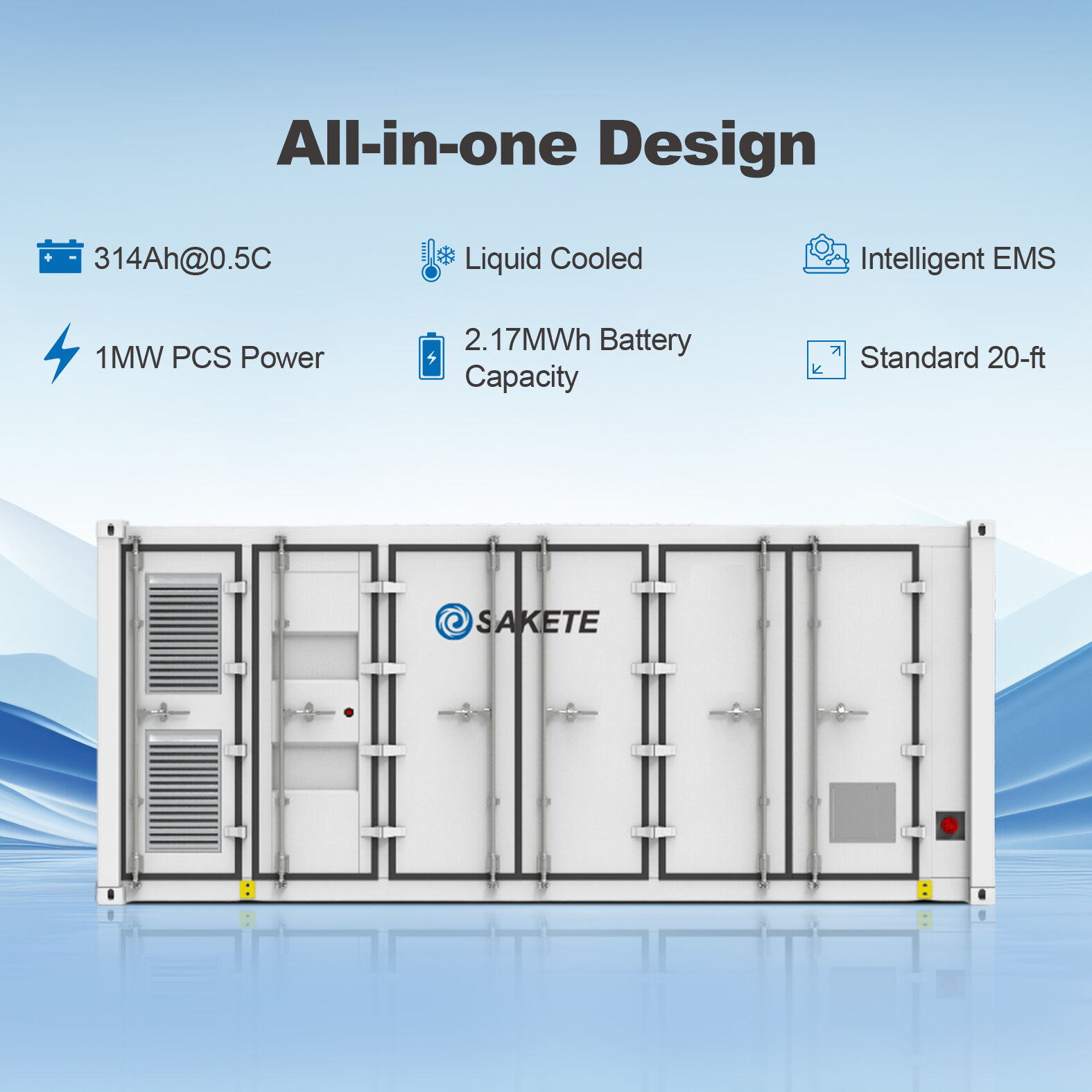
Traditional power generation methods are inherently reactive. A generator consumes fuel regardless of the actual load demand. In contrast, BESS acts as an intelligent bridge, capturing energy during peak production hours and storing it for immediate use. Modern lithium-ion technologies offer high energy density, allowing these systems to occupy a small footprint while delivering massive output. This shift from "on-demand generation" to "stored capability" makes BESS uniquely suited for the unpredictable demands of large-scale irrigation and climate control systems.
Enhancing Agricultural Efficiency
Efficiency in modern agriculture is tied to power reliability. A momentary power dip can compromise sensitive sensors, while prolonged outages lead to crop loss. BESS provides a seamless, uninterruptible power supply (UPS) that smoothens out the intermittent nature of renewable energy. When sunlight fades or winds die down, the storage system instantaneously compensates, ensuring that critical infrastructure—such as precision sensors and automated feeding systems—never skips a beat.
Economic and Operational Viability
The economic case for storage-based solutions is increasingly compelling. While the initial investment for a high-performance BESS may seem significant, the reduction in long-term operational expenditures is undeniable. Farmers can eliminate the logistical nightmare of transporting and storing diesel each season. Over a multi-year horizon, the lower cost of energy combined with a decreased dependence on volatile fuel markets leads to a healthier bottom line and a predictable budget.
Engineering Excellence: The Saket Energie Approach
The effectiveness of any storage installation depends on its design quality. Saket Energie brings years of technical depth to this field, focusing on high-performance modular battery architectures engineered to withstand the harsh conditions of rural landscapes. By maintaining a robust supply chain and prioritizing rigorous safety testing, the organization delivers systems that are as resilient as they are efficient. Whether a project requires a compact setup for a greenhouse or a massive array for expansive crop fields, the engineering team at Saket Energie ensures every solution is optimized for local power needs, providing farmers with reliable energy independence.
Frequently Asked Questions (FAQs)
Q: How does BESS handle long-term power outages?
A: BESS systems are designed to store energy from solar/wind sources; they can power critical farm infrastructure for days depending on the battery bank capacity and load requirements.
Q: Is it difficult to maintain a BESS compared to a generator?
A: No. Unlike generators, BESS requires no oil changes or mechanical overhauls, drastically reducing labor and maintenance costs.
Q: Can Saket Energie customize systems for small-scale farms?
A: Yes, we provide modular storage architectures specifically scaled to meet the requirements of both small greenhouses and large-scale commercial operations.