The Hidden Link in Energy Efficiency
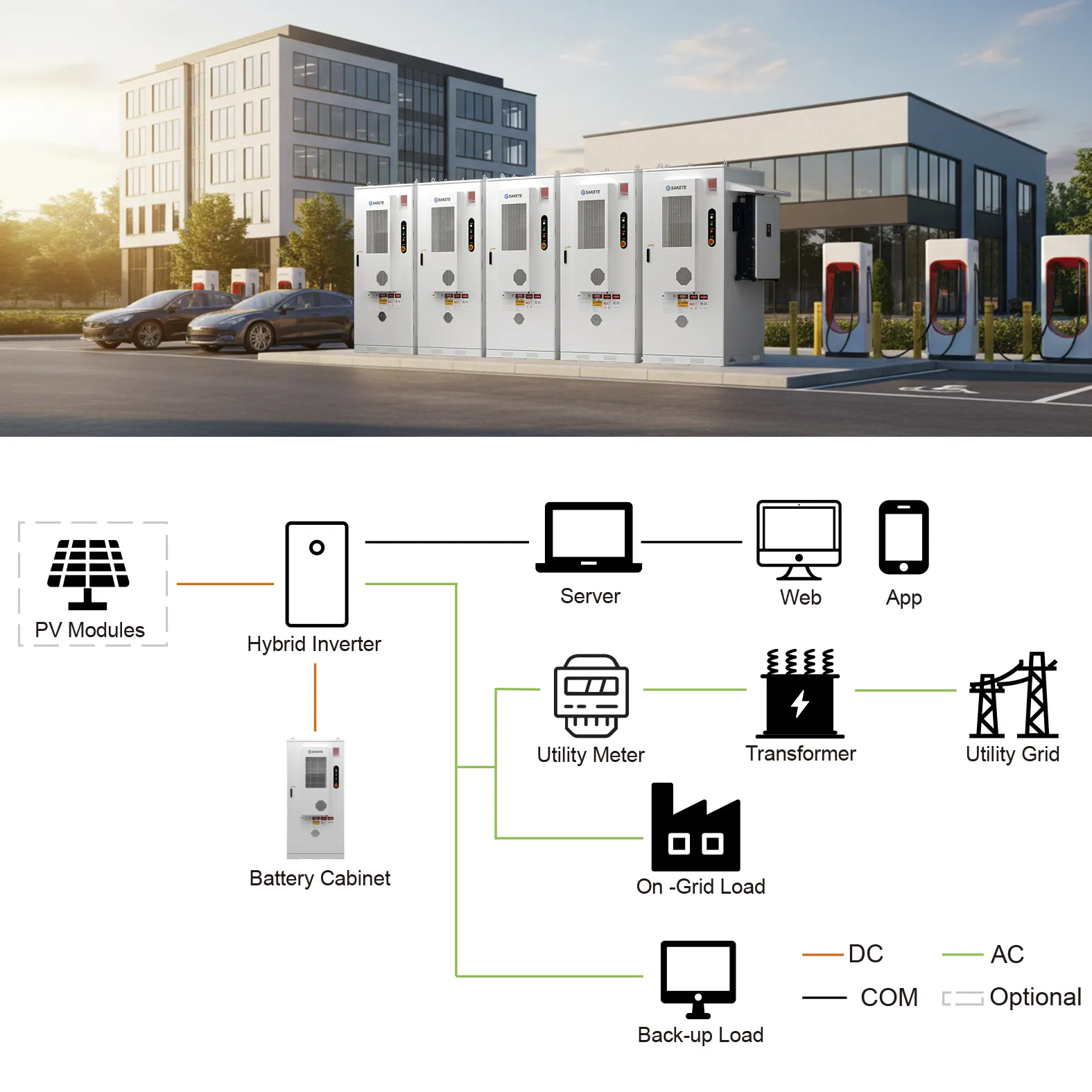
Matching an inverter with the right cabinet systems is the most critical yet often overlooked step in energy project design. While battery capacity usually takes center stage, the inverter acts as the "brain" of the operation. If the enclosure—the cabinet—is not engineered to handle the specific heat dissipation, wiring complexity, and modular requirements of your inverter, the entire power system will eventually hit a performance ceiling. A perfectly matched setup balances raw electrical power with superior physical protection.
Achieving Technical Synergy
Think of the inverter as the power generator and the cabinet as the protection layer. The most successful installations prioritize airflow. Inverters generate intense heat during conversion; if your cabinet systems lack proper ventilation or cable management, internal temperatures will rise, leading to premature hardware failure. Industrial-grade cabinets must be modular enough to house inverters, switchgear, and communication modules without creating electrical interference or "noise."
Selecting the Optimal Configuration
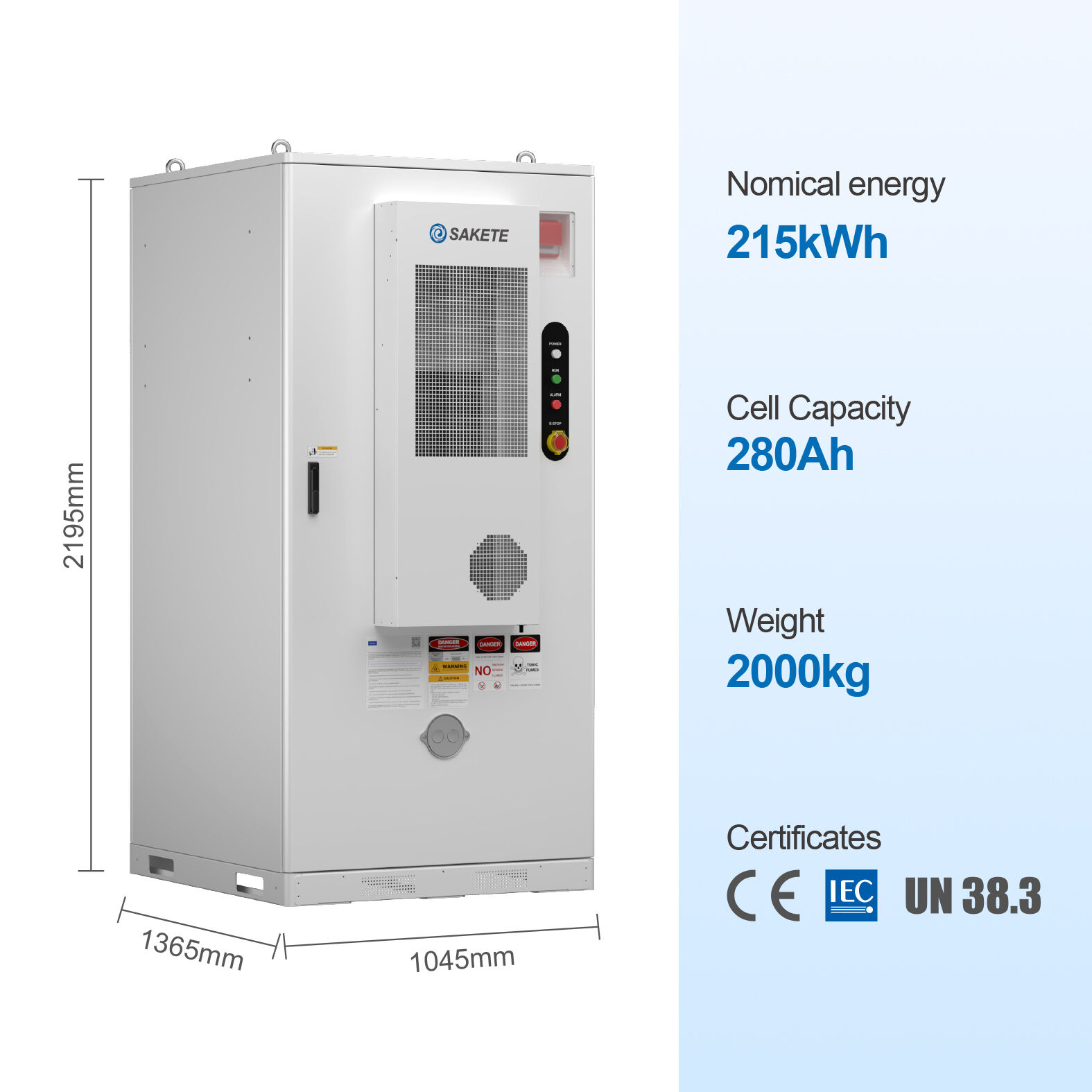
Efficiency starts with selecting the right footprint. Project managers must align the inverter’s power profile with the cabinet’s structural capacity.
| System Scale | Cabinet Type | Typical Load Capacity | Strategic Focus |
| Residential | Compact Wall Mount | Up to 10kW | Space Efficiency |
| Commercial | Modular Rack Mount | 10kW - 50kW | Cable Organization |
| Industrial | Custom Enclosure | 50kW+ | Advanced Thermal Management |
Thermal Management and Safety Protocols
Safety is not optional. Professional standards demand that inverters are never crowded. Maintain a clearance of at least 150mm between the inverter and cabinet walls. Years of field experience show that failing to account for cable bending radii is the leading cause of connectivity issues. Modern cabinet systems now feature pre-cut slots and dedicated busbar zones to isolate power cables from signal lines, effectively mitigating Electromagnetic Interference (EMI), which is vital for inverter sensitivity.
Solving Common Mismatch Pitfalls
Even top-tier equipment will underperform if the assembly is flawed. Use the following guide to identify and fix issues before they cause system downtime.
| Common Mistake | Potential Impact | Professional Correction |
| Insufficient Airflow | Overheating/System shutoff | Install active intake/exhaust fans |
| Undersized Busbars | Voltage drop/Fire risk | Upgrade to larger cross-section busbars |
| Inadequate Grounding | Inverter fault/EMI noise | Install a centralized cabinet grounding lug |
The Saket Energie Advantage
Sourcing disparate parts from various vendors often leads to compatibility nightmares. Achieving peak system reliability requires components engineered to work in harmony from day one. Saket Energie provides integrated energy solutions, ensuring every inverter fits seamlessly within the optimized cabinet systems they supply. By combining large-scale manufacturing capabilities with custom engineering support, Saket Energie eliminates the guesswork of system integration. Investing in pre-matched hardware not only accelerates your installation timeline but also maximizes the long-term return on investment for your power infrastructure.