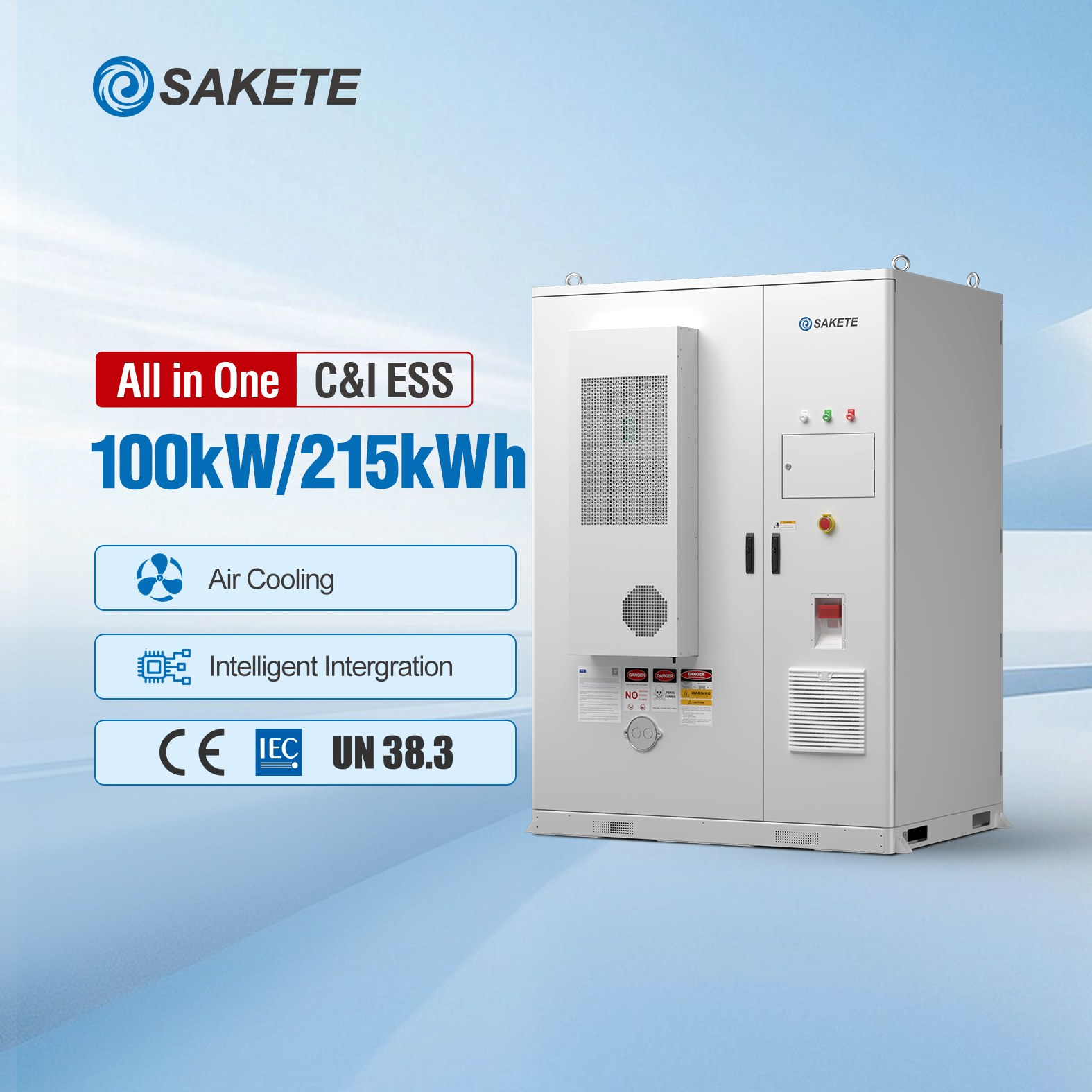
The Evolving Landscape of Energy Storage Density
Selecting the right capacity for a battery pack is a pivotal decision for any energy storage project. In recent years, the industry has shifted from standard 280Ah cells to higher-capacity 314Ah variants, reflecting a drive toward greater energy density. While both are built upon stable Lithium Iron Phosphate (LiFePO4) chemistry, their operational impacts differ significantly. Understanding these nuances is essential for facility managers and system integrators looking to optimize space, efficiency, and long-term ROI.
Technological Advancements in Cell Chemistry
The primary difference between these two capacities lies in cell-level innovation. Manufacturers have refined the chemical composition and structural design of the anode and cathode without significantly increasing the footprint. A 314Ah battery pack leverages these advancements to pack more active material into the same standard casing used for 280Ah cells. This evolution allows for a higher energy density—essentially providing more "fuel" for the same amount of space, which is a game-changer for installations where square footage is at a premium.
| Feature | 280Ah Battery Pack | 314Ah Battery Pack |
| Energy Density | Standard | Higher |
| Footprint | Conventional | Compact (per kWh) |
| System Weight | Baseline | Slightly Higher/Optimized |
| Primary Use Case | Broad Utility/Telecom | High-Density C&I |
Operational Performance and Efficiency
When evaluating performance, capacity is only half the story. While 280Ah cells are celebrated for their proven track record and extensive field data, 314Ah cells offer superior throughput capability. For high-demand applications, 314Ah packs provide more energy throughput over the same discharge cycle, effectively increasing the total power availability without requiring additional rack space. However, this higher energy density necessitates more sophisticated thermal management systems to maintain optimal temperatures during peak discharge periods.
| Critical Metrics | Comparison Insights |
| Lifecycle Longevity | Both offer excellent long-term cycles |
| Thermal Management | 314Ah requires precision monitoring |
| Installation Efficiency | Higher capacity reduces rack count |
| Maintenance Load | Minimal for both if BMS is robust |
Strategic Considerations for System Integration
Transitioning to higher-capacity packs like the 314Ah variant requires meticulous engineering. Battery Management Systems (BMS) must be calibrated to handle the increased current and energy throughput. From a developer’s perspective, the decision often comes down to balancing current project budget against future-proofing requirements. Projects utilizing 314Ah packs often benefit from lower balance-of-system costs, as fewer individual units are needed to reach the target energy capacity of the overall installation.
Unmatched Manufacturing Excellence
Delivering high-performance energy storage requires more than just premium cells; it requires mastery over the assembly and integration process. Sunket utilizes state-of-the-art automated manufacturing lines to ensure that every battery pack maintains superior cell consistency and structural integrity. Through rigorous supply chain management and advanced testing protocols, Sunket provides the industry-leading reliability necessary for commercial and industrial energy applications. Whether deploying a standard 280Ah solution or upgrading to the higher-density 314Ah technology, Sunket ensures that every installation meets the highest international safety and performance benchmarks.